Home › Healthy Lifestyle & Preventive Care
Healthy Lifestyle & Preventive CareYoga for Beginners: Poses and Basics
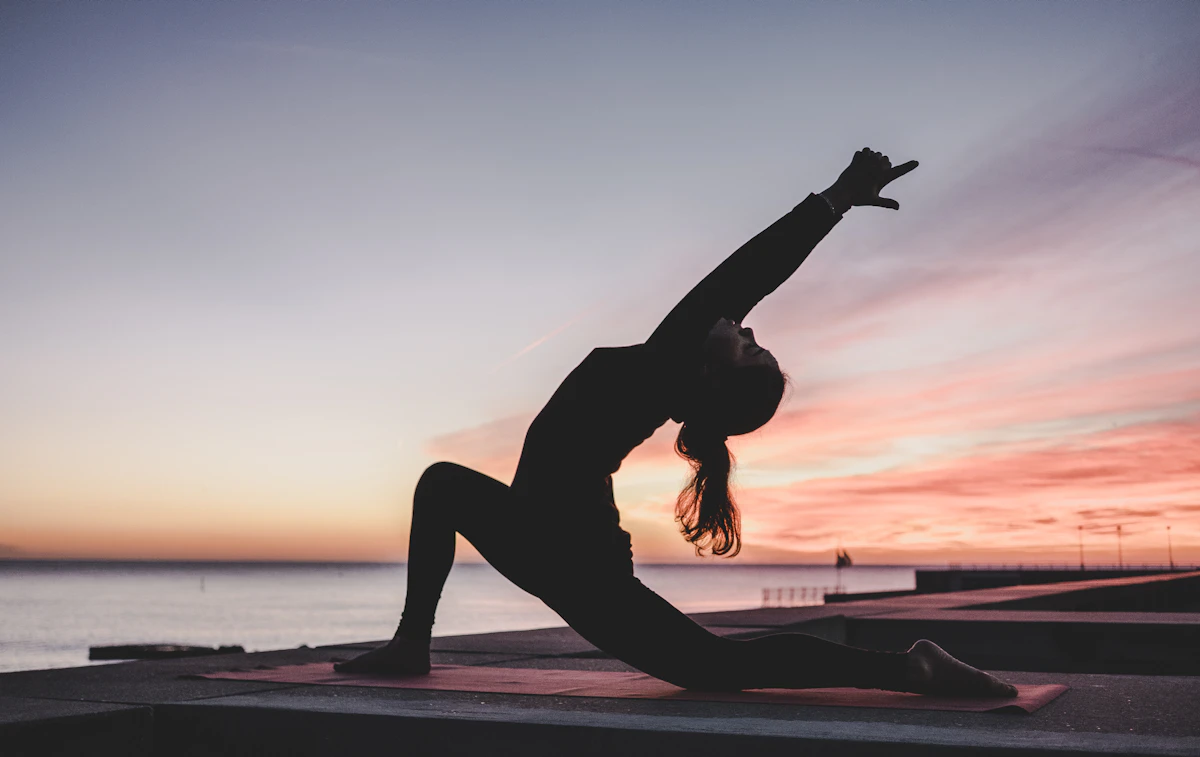
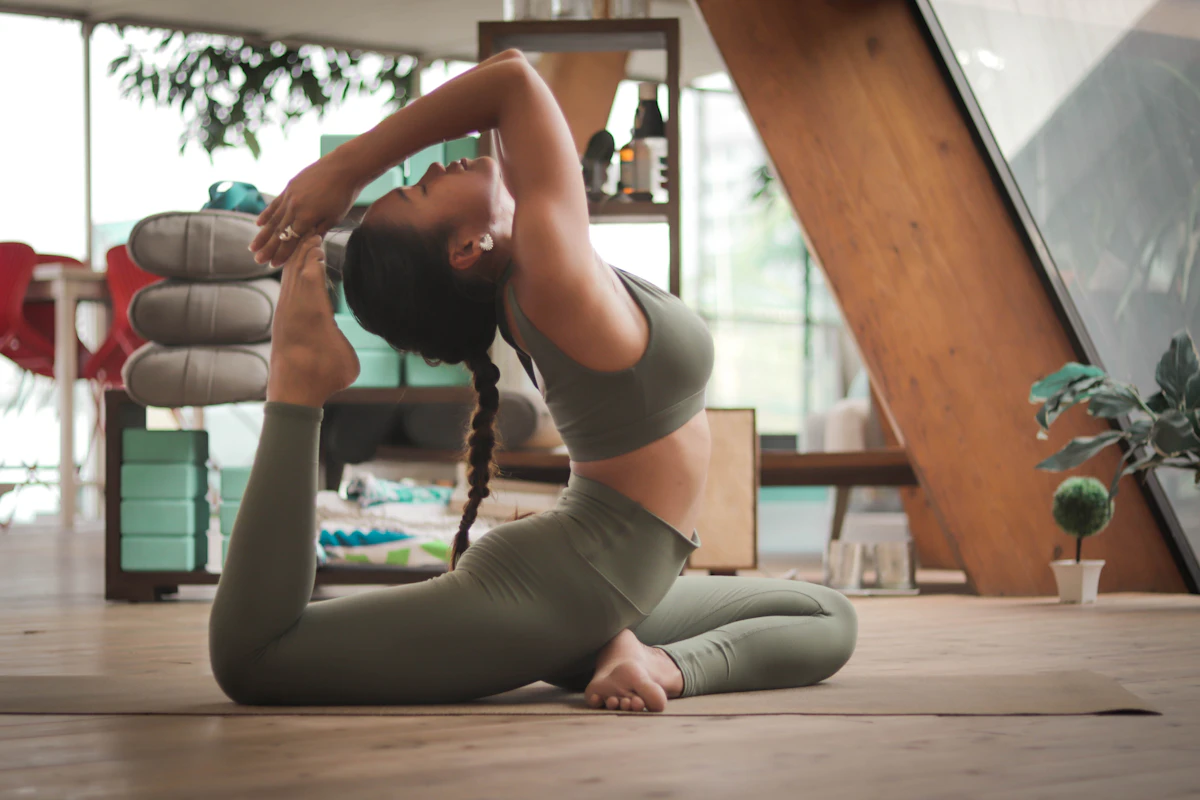
If you have ever watched a yoga class and thought, "I am not flexible enough for that," you are exactly who yoga is for. Yoga is not about touching your toes or twisting into a pretzel. It is a practice that combines gentle movement, steady breathing and focused attention, and it can be adapted to almost any body, age or fitness level. People turn to it for flexibility, strength, balance, stress relief, better sleep or simply a calmer start to the day.
This guide to yoga for beginners explains what yoga is, what research says about its benefits, what you need to start, how to breathe, and how to do ten foundational poses safely. You will also find a short sequence, a four-week plan, advice on choosing a class, safety notes and answers to common questions. Everything here is general education, not personal medical advice.
What Yoga Is
Yoga is an ancient practice that began in India thousands of years ago. The word comes from a Sanskrit term meaning "to join" or "to unite." In its traditional form, yoga includes ethical guidelines, breathing practices, meditation and physical postures. In the modern world, most people practice the physical postures, called asanas, along with breathwork and relaxation.
What a typical session includes
- Centering. A short time to settle and notice your breath.
- Warm-up. Gentle movements to loosen the spine and joints.
- Poses. Standing, seated, kneeling and lying postures, held for a few breaths or linked in flowing sequences.
- Cool-down and relaxation. Final stretches and a few minutes of lying still.
It is a practice, not a performance
Progress in yoga is about how you feel, not how a pose looks. A pose that suits your body today is the right pose, even if it looks very different from a photo. Over time, flexibility, strength and balance improve at their own pace.
Benefits of Yoga
Research on yoga has grown rapidly. Findings are encouraging, though quality varies and yoga works best as part of a healthy lifestyle.
Flexibility, strength and balance
Regular practice improves range of motion and muscle tone, especially in the core, legs and shoulders. Balance poses can also reduce fall risk, which is useful as we age.
Stress, mood and anxiety
Many studies find that yoga lowers perceived stress and improves mood, likely through slow breathing, mindful attention and gentle movement. Our guides on how to manage stress naturally and breathing exercises for calm and focus pair well with yoga.
Back pain and posture
Gentle yoga is recommended in several guidelines as a helpful option for chronic low back pain. If this is your main goal, see our guide to yoga for a healthy back and better posture.
Sleep
An evening practice can help the body wind down. See our better sleep habits guide for how to combine it with other habits.
Heart and metabolic health
Yoga may modestly lower blood pressure and support healthy blood sugar, particularly when it includes more active styles or regular practice. It is not a replacement for aerobic exercise or medical treatment.
Body awareness and consistency
Many people say yoga makes them more aware of tension, posture and stress signals, and helps them stay active when other workouts feel too intense.
An honest note
Yoga is not a cure-all. For the best health, combine it with aerobic activity, strength training, good food and sleep.
Beginner-Friendly Styles
You will see many names on class schedules. Here are the most useful for beginners.
- Hatha. A general term for slower-paced classes with held poses and a focus on basics. An ideal starting point.
- Gentle or restorative yoga. Very slow, supported by props such as blankets and bolsters. Excellent for relaxation and recovery.
- Vinyasa. Poses flow together with breath. It is more active, so look for a beginner-labeled class.
- Yin yoga. Long-held floor poses for deep stretching of connective tissue.
- Iyengar. Detailed alignment with props, helpful if you like precise instruction.
- Hot yoga. Practiced in a heated room. Use caution as a beginner, because heat raises the risk of dizziness and dehydration.
What You Need to Get Started
The essentials
- A yoga mat. A non-slip mat about 4 to 6 millimeters thick gives grip and joint cushioning.
- Comfortable clothes. Choose stretchy, breathable layers that let you move freely.
- A quiet space. A spot about the size of your mat and arm span.
Helpful props
- Blocks bring the floor closer to you.
- A strap or belt helps in seated stretches when you cannot reach your feet.
- A folded blanket cushions knees and supports your hips.
- A cushion or bolster for restorative poses.
Household substitutes work well: sturdy books for blocks, a scarf for a strap and a pillow for a bolster.
Timing
Practice on an empty or lightly full stomach, ideally two hours after a meal. Morning practice can energize you, while evening practice calms you. Choose what you will repeat.
Breathing and Basic Principles
Breathe through your nose
Slow, steady nasal breathing is the heart of yoga. As a simple guide, breathe in as you lengthen or open, and breathe out as you fold or twist. Never hold your breath. If you cannot breathe smoothly in a pose, back off.
Listen to your body
Stretching sensations are normal. Sharp, pinching, burning or joint pain is a signal to ease out of the pose. Moving slowly and staying below your edge is smart, not weak.
Do not force or bounce
Move into a pose gradually and hold without bouncing. Flexibility improves as the nervous system learns that a position is safe.
Keep a soft focus
Relax your face, jaw and shoulders. Let your attention rest on the breath. This links yoga with mindfulness meditation.
Ten Foundational Poses
Hold each pose for three to five slow breaths unless stated otherwise. Use props and modify freely.
1. Mountain pose (Tadasana)
Stand with feet hip-width apart, weight evenly distributed. Lengthen your spine, relax your shoulders and let your arms hang. Breathe slowly. This pose teaches good posture and body awareness.
2. Cat-cow
Start on hands and knees with wrists under shoulders and knees under hips. Inhale, drop your belly and lift your chest and tailbone (cow). Exhale, round your spine and tuck your chin (cat). Move slowly for eight to ten breaths. It warms and mobilizes the spine.
3. Child's pose (Balasana)
From hands and knees, sit your hips back toward your heels, widen your knees if comfortable and rest your forehead on the mat or a cushion, arms forward or by your sides. This is a resting pose you can return to anytime.
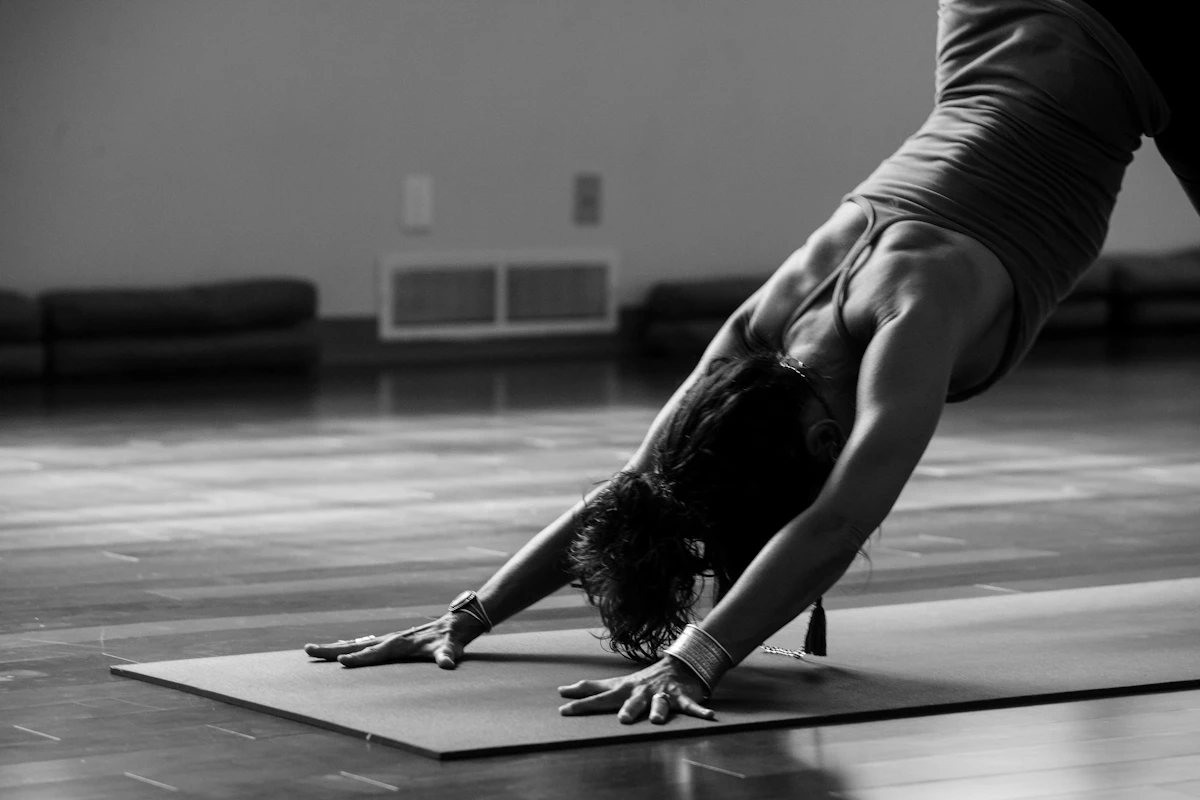
4. Downward-facing dog (Adho Mukha Svanasana)
From hands and knees, tuck your toes and lift your hips up and back, forming an upside-down V. Bend your knees as much as needed, press your hands firmly and keep your spine long. It stretches the hamstrings, calves and shoulders. If it hurts your wrists, try the pose with forearms down or use a wall.
5. Standing forward fold (Uttanasana)
From standing, hinge at the hips and fold forward with bent knees. Let your head and arms hang heavy, or rest your hands on blocks or shins. Roll up slowly. Bend knees generously if your lower back feels strained.
6. Warrior II (Virabhadrasana II)
Step your feet about a leg length apart. Turn your right foot out and bend that knee over the ankle, keeping the left leg straight. Extend arms at shoulder height and gaze over your front hand. It builds leg strength and stamina. Repeat on the other side.
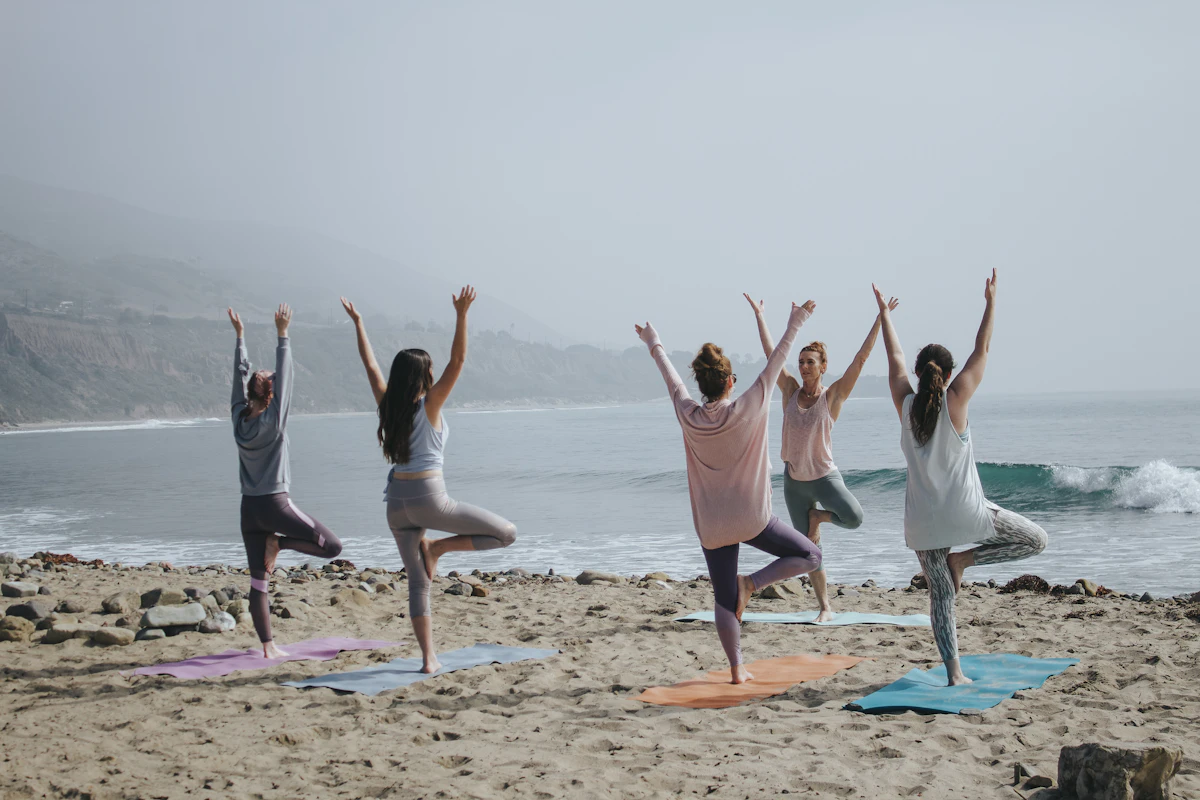
7. Tree pose (Vrksasana)
Stand tall, shift weight to your left foot and place the sole of your right foot on your calf or inner thigh, never on the knee. Bring hands to your chest and fix your gaze on a still point. Keep a finger or fingertips on a wall if needed. This improves balance and focus.
8. Bridge pose (Setu Bandhasana)
Lie on your back with knees bent and feet hip-width apart. Press into your feet and lift your hips, keeping your thighs parallel. Hold, then lower slowly. It strengthens glutes and the back of the legs and opens the chest.
9. Cobra pose (Bhujangasana)
Lie on your stomach with hands under your shoulders. Press gently through your hands and lift your chest while keeping your hips down and elbows slightly bent. Keep your neck long. A low cobra is enough. Avoid if it causes lower back pain.
10. Seated twist and final rest
Sit with legs crossed or extended. Place your right hand behind you and your left hand on your right knee. Inhale to lengthen, exhale to twist gently, then switch sides. Finish with Savasana, lying on your back with arms and legs relaxed, for three to five minutes. This final rest lets the body absorb the practice.
A 15-Minute Beginner Sequence
This sequence strings the poses together for a short home practice.
| Time | Pose | Breaths |
|---|---|---|
| 0 to 1 min | Mountain pose, centering breath | 6 |
| 1 to 3 min | Cat-cow | 8 to 10 |
| 3 to 4 min | Child's pose | 5 |
| 4 to 6 min | Downward dog and standing forward fold | 5 each |
| 6 to 9 min | Warrior II (each side) and tree pose (each side) | 4 to 5 each |
| 9 to 11 min | Bridge pose, two rounds | 5 each |
| 11 to 12 min | Cobra pose | 4 |
| 12 to 13 min | Seated twist (each side) | 5 each |
| 13 to 15 min | Savasana, final relaxation | Natural |
Combining yoga with other training
Yoga complements cardio and strength work. After a hard session, gentle yoga can ease tight muscles, as explained in our stretching routine for better flexibility. For overall fitness, add aerobic activity, such as in our best cardio workouts, and strength training twice a week.
A Four-Week Plan
| Week | Sessions | Focus |
|---|---|---|
| 1 | 3 sessions of 10 minutes | Learn breathing, cat-cow, child's pose and mountain pose |
| 2 | 3 sessions of 15 minutes | Add downward dog, forward fold and bridge |
| 3 | 3 to 4 sessions of 15 to 20 minutes | Add warrior II and tree pose, and hold poses longer |
| 4 | 4 sessions of 20 minutes | Practice the full sequence and try one class |
A real-life example
Layla, 46, spent most days at a desk and felt stiff in her hips and shoulders. She began with ten minutes of yoga before breakfast, three days a week, using blocks and a strap. After six weeks she noticed less morning stiffness, could stand from the floor more easily and said the final rest felt like "the calmest ten minutes of my day." She later added a weekly gentle class.
Common Beginner Mistakes
- Pushing into pain. Mild stretch is fine. Sharp pain is not.
- Comparing yourself with others. Everyone has a different body and history.
- Holding the breath. It increases tension. Keep breathing.
- Locking joints. Keep a soft bend in knees and elbows, especially if you are flexible.
- Skipping the warm-up. Cold muscles stretch less safely.
- Doing too much too soon. Build gradually to avoid soreness and injury.
- Skipping relaxation. The final rest is part of the practice.
- Waiting to be flexible. Flexibility is a result of yoga, not a requirement.
Class or Home Practice?
Both routes work well for yoga for beginners, and many people combine them.
Benefits of a class
A qualified teacher can check alignment, offer modifications and keep you motivated. Look for classes labeled "beginner," "gentle" or "foundations," and tell the teacher about injuries or health conditions before class.
Benefits of home practice
Home practice is convenient, flexible and free. Use reputable video lessons for beginners or follow the sequence above. Mix home sessions with an occasional class for feedback.
Choosing a teacher
Look for experienced, certified instructors who welcome questions, offer modifications and never pressure you into poses. A good class feels challenging but safe.
Safety and Who Should Be Careful
Yoga is generally safe when practiced with care, but injuries can happen, especially from forcing poses. Speak with your doctor before starting if you are pregnant, have high or low blood pressure, glaucoma, osteoporosis, a herniated disc, severe joint problems, heart disease, balance problems or are recovering from surgery or injury.
- Avoid advanced poses such as headstands, shoulder stands and deep neck positions as a beginner.
- Pregnant people should choose prenatal classes and avoid deep twists and lying flat on the back later in pregnancy, as advised by their provider.
- People with high flexibility should build strength and avoid hyperextending joints.
- Stop if you feel dizzy, short of breath, numb or sharp pain.
- Stay hydrated, and be careful with hot yoga.
- Rise slowly from forward folds and lying positions to avoid lightheadedness.
Please note: This article is general education, not personal medical advice. Yoga can support well-being but does not replace medical care. Consult a doctor or qualified professional before starting yoga if you have a health condition, injury or are pregnant.
Frequently Asked Questions
Do I need to be flexible to start yoga?
No. Yoga is how you become more flexible. Props and modifications make poses accessible for every body.
How often should a beginner practice yoga?
For yoga for beginners, two to four sessions a week of 10 to 30 minutes is a good start. Short, regular practice works better than occasional long sessions.
What is the best time of day for yoga?
Whenever you will actually do it. Mornings can be energizing, and evenings can be relaxing. Practice on an empty or lightly full stomach.
Can yoga help me lose weight?
Gentle yoga burns relatively few calories, but it can support weight loss by reducing stress, improving sleep and making you more active and body-aware. For weight loss, combine it with walking or cardio and healthy eating.
Is yoga a good workout on its own?
Yoga builds flexibility, balance and some strength, but most adults also need aerobic activity and strength training. Combining them provides the broadest benefits.
What should I do if a pose hurts?
Ease out of the pose, rest in child's pose and try a modified version or skip it. Persistent or sharp pain should be checked by a healthcare professional.