Home › Healthy Lifestyle & Preventive Care
Healthy Lifestyle & Preventive CareHow to Manage Stress Naturally

Stress is part of being alive. A looming deadline, a difficult conversation, money worries or a packed schedule can all set your heart racing. In short bursts, stress is useful, because it sharpens focus and helps you act. The trouble starts when the pressure never switches off. Long-term stress can disturb sleep, raise blood pressure, affect digestion, weaken concentration and drain your mood.
This guide explains how to manage stress naturally, using simple, evidence-informed habits that need no special equipment. You will learn what stress does to the body, how to spot your own warning signs, and which daily practices help most: movement, sleep, food, breathing, time outdoors, boundaries and social connection. There is a quick-relief toolkit for tough moments, a one-week starter plan and answers to common questions. Everything here is general education, not personal medical advice.
What Stress Does to Your Body and Mind
When your brain senses a threat, whether it is a real danger or a stressful email, it triggers the body's alarm system. Stress hormones such as adrenaline and cortisol rise. Your heart beats faster, breathing quickens, muscles tense and blood sugar increases to supply quick energy. This "fight or flight" response is helpful when you need to react fast.
Short-term stress versus chronic stress
Once the challenge passes, the body should return to calm. With chronic stress, the alarm keeps ringing. Over weeks and months, this can contribute to trouble sleeping, headaches, tight shoulders, stomach upset, frequent colds, irritability, low mood, anxiety and difficulty concentrating. It can also encourage overeating, skipped workouts and heavier alcohol use, which add further strain.
The good news
The same body that learns to stay on alert can learn to relax. Calming habits practiced regularly lower the baseline level of tension, so you recover faster and cope better. You do not have to remove stress from your life, only to build skills that stop it from taking over.
Signs That Stress Is Building Up
Many people ignore early warnings until they feel exhausted. Learning your own signals helps you act sooner.
Physical signs
- Tight neck, shoulders or jaw, and tension headaches
- Fatigue even after resting
- Trouble falling or staying asleep
- Stomach discomfort, appetite changes or frequent heartburn
- A racing heart or shallow breathing
Emotional and behavioral signs
- Irritability, impatience or feeling overwhelmed
- Difficulty concentrating or making decisions
- Withdrawing from friends or losing interest in hobbies
- Eating, drinking or scrolling more than usual to cope
- Procrastinating or feeling constantly rushed
If several of these sound familiar, it is a good moment to slow down and use the tools below.
Find Your Stress Triggers
You cannot change what you have not noticed. For one week, write down moments when you feel tense. Note what was happening, who was involved, how your body felt and what you did afterward. Patterns often appear quickly: a certain meeting, a commute, late-night email, a particular relationship or a messy home.
Sort your stressors
- Things you can change. Overloaded schedules, unclear tasks, a cluttered space. Solve these with planning and boundaries.
- Things you can influence. A difficult colleague or a family tension. Improve them with clear communication.
- Things you cannot control. The weather, other people's opinions, past events. Focus on how you respond, not on the situation itself.
Movement as a Stress Reliever
Physical activity is one of the most reliable ways to manage stress naturally. Exercise burns off stress hormones, releases mood-lifting chemicals and gives your mind a break from worry. Even a short session can leave you calmer for hours.
What works
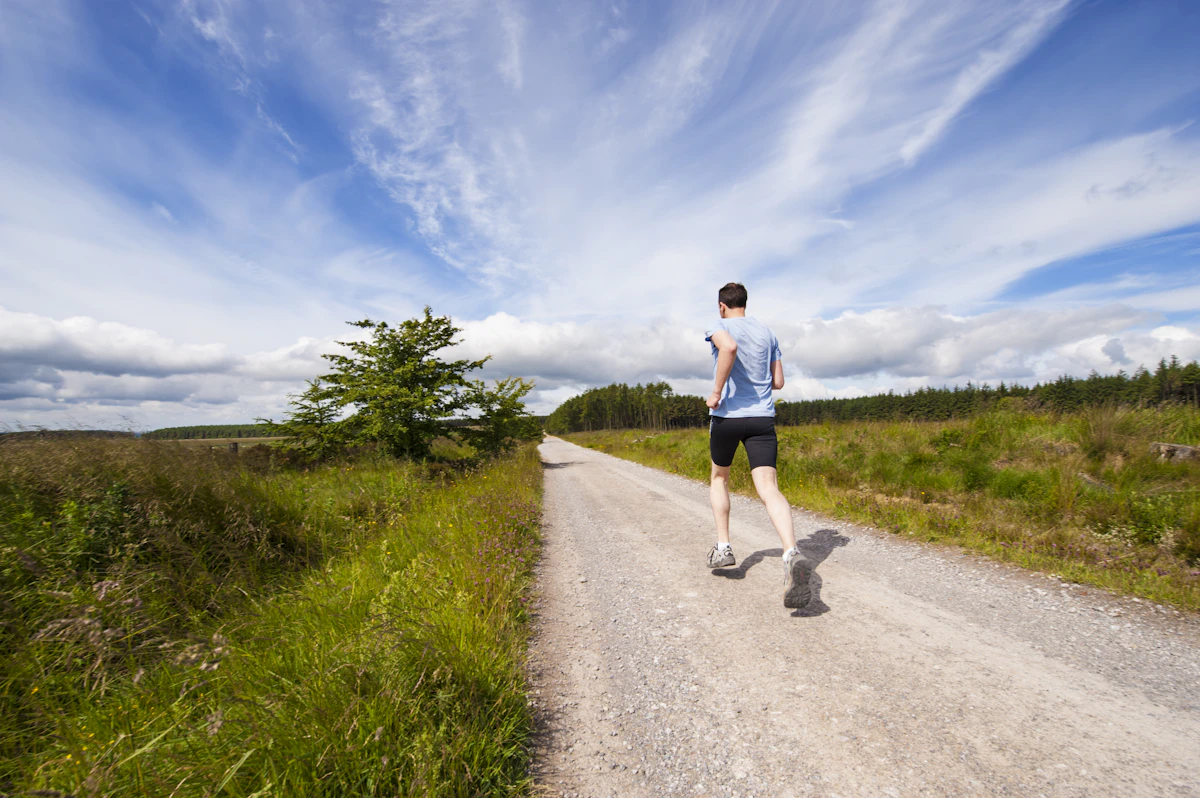
- Walking. A brisk 20- to 30-minute walk can noticeably lower tension. Our walking plan shows how to build the habit.
- Strength training. Lifting gives a sense of control and achievement. See our strength training basics.
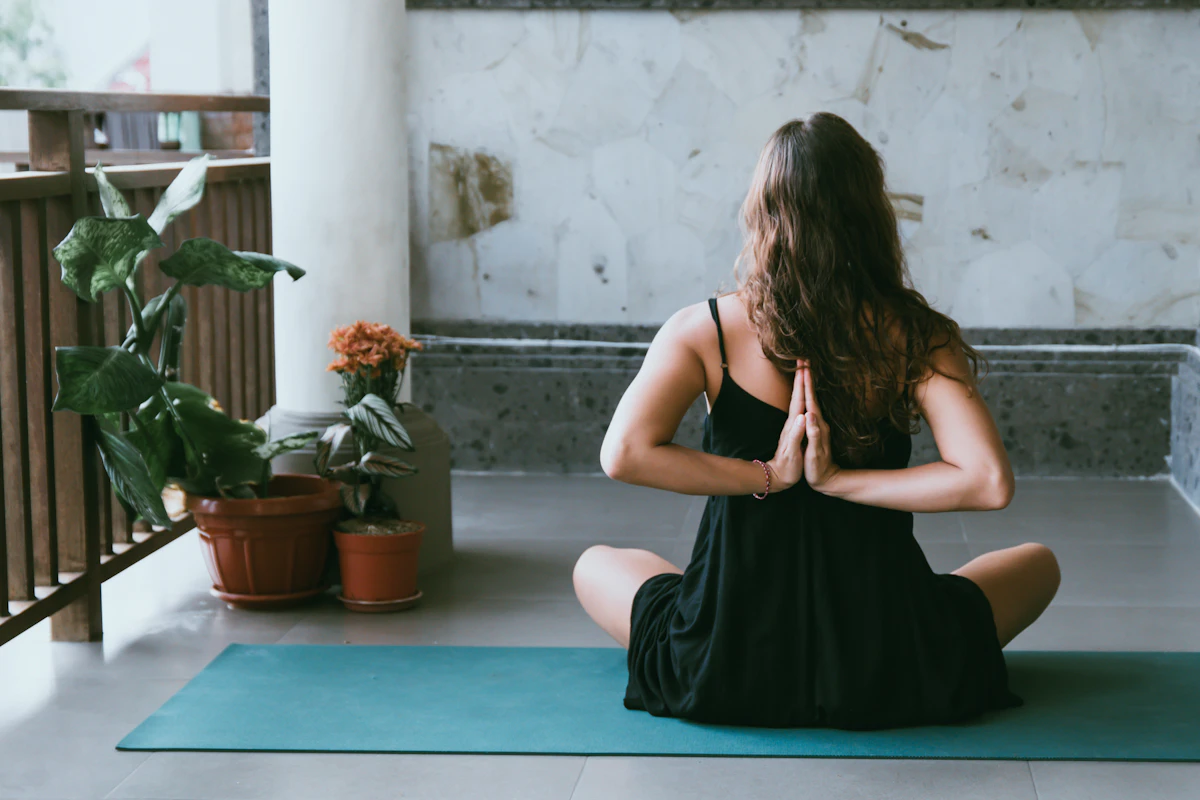
- Yoga and stretching. Slow movement with breathing relaxes tight muscles. Try our yoga for beginners guide.
- Enjoyable cardio. Cycling, swimming or dancing are good choices. See the best cardio workouts.
Keep it kind
When you are already exhausted, extremely hard workouts can add to the load. On high-stress days, choose gentler options such as walking, stretching or an easy ride. Aim for about 150 minutes of moderate activity a week, and let enjoyment guide you.
Sleep and Stress
Stress and sleep feed each other. Stress makes it harder to fall asleep, and poor sleep makes you more reactive the next day. Breaking this cycle is one of the strongest ways to manage stress.
Simple habits
- Keep consistent bed and wake times, even on weekends.
- Turn off screens 30 to 60 minutes before bed.
- Keep your bedroom cool, dark and quiet.
- Write down tomorrow's tasks before bed so your mind can let go.
- Avoid caffeine in the afternoon and heavy meals late at night.
Our guide to better sleep habits offers a full routine.
Food, Caffeine and Alcohol
What you eat and drink influences how steady you feel. Stress can drive cravings for sugary, salty or fatty comfort foods, which may give brief relief but often lead to energy crashes.
Eat to stay steady
- Regular meals. Long gaps can cause irritability and stronger cravings.
- Protein, fiber and healthy fats help keep blood sugar stable. Our balanced plate guide makes it simple.
- Fruit, vegetables and whole grains supply nutrients that support mood and energy.
- Hydration. Even mild dehydration can affect concentration and mood. See our hydration guide.
Be careful with caffeine and alcohol
Caffeine can raise heart rate and worsen anxious feelings, especially in large amounts. Many adults do well with up to about 400 milligrams a day, roughly four small cups of coffee, but sensitivity varies. Alcohol may feel relaxing at first, yet it disrupts sleep and can worsen mood and anxiety the next day. Use both in moderation, especially when stressed.
Calming Skills You Can Learn
These skills train your body to switch from alert to relaxed. They work best when practiced daily, not only in emergencies.
Slow breathing
Slow, deep breathing activates the body's relaxation response. Try this: breathe in through the nose for four counts, then out slowly for six counts, for two to five minutes. Longer exhales calm the nervous system. More techniques are in our guide to breathing exercises for calm and focus.
Mindfulness and meditation
Paying attention to the present moment without judging it reduces rumination. Even five minutes a day helps. Our mindfulness meditation guide explains how to begin.
Progressive muscle relaxation
Tense a muscle group, such as your fists, for five seconds, then release for ten seconds. Move through your feet, legs, stomach, hands, shoulders and face. It teaches you to notice and release tension.
Journaling
Writing for ten minutes about worries, or listing three things that went well, helps organize thoughts and shift attention. Do not worry about neat writing. Let it out and move on.
Reframing thoughts
When a thought feels catastrophic, ask: Is this certain? What would I tell a friend? What is the most likely outcome? Balanced thinking will not remove problems, but it reduces the emotional heat around them.
Nature, Rest and Enjoyment
Spend time outdoors
Studies link time in green spaces with lower stress hormones and better mood. Even 20 minutes in a park, garden or along a tree-lined street helps. Leave your phone in your pocket and notice sounds, smells and the sky.
Build real breaks into the day
Short pauses protect focus and mood. Try a five-minute break every hour, a lunch away from your desk and a few minutes to stretch. Our guide to desk health and posture offers practical ideas for work days.
Make room for enjoyment
Hobbies, music, creative projects, cooking, gardening or playing with pets are not luxuries. They are part of how the mind recovers. Schedule something you enjoy every week, just as you would a meeting.
Reduce constant input
Endless news and social media can keep stress hormones high. Set limits, mute noisy notifications and take regular breaks from screens. Our digital detox guide shows how.
Boundaries, Time and Workload
Much stress comes from having too much to do and too little control. Practical changes to how you manage time can have a large effect.
Practical steps
- Pick three priorities a day. A short list beats an impossible one.
- Break big tasks into small steps. Starting is often the hardest part.
- Say no politely. "I cannot take that on right now, but I can help next week" protects your time.
- Ask for help early. Delegating or sharing the load is a sign of good judgment.
- Protect time off. Switch off work messages in the evenings when you can.
- Build a margin. Leave a little extra time between commitments so one delay does not ruin the day.
Connection and Support
Talking to someone you trust is one of the most effective ways to lower stress. Sharing a problem often makes it feel smaller and brings fresh ideas. Make time for friends, family, a faith or community group, or a colleague you trust. Even a short phone call or walk together helps.
If you do not feel you have someone to talk to, consider a peer group, a hobby club or a counselor. Reaching out is a strength, not a weakness.
Be patient and track what helps
Not every tool suits every person. Keep a short note each evening rating your stress from one to ten and listing what you did that day. After two weeks you will see which habits, such as a walk, an earlier bedtime or a phone-free evening, reliably bring the number down. Repeat what works and drop what does not. Progress is rarely a straight line, and a stressful week does not cancel the habits you have built.
A Quick-Relief Toolkit
Keep these in mind for moments when stress spikes.
| Situation | Try this | Time needed |
|---|---|---|
| Heart racing before a meeting | Slow breathing: in for 4, out for 6 | 2 minutes |
| Overwhelmed by a long list | Write it down and circle the top three | 5 minutes |
| Tight shoulders at the desk | Shoulder rolls and a neck stretch | 3 minutes |
| Spiraling worries | Name five things you can see, four you can hear, three you can feel | 3 minutes |
| Angry after an argument | Walk outside before replying | 10 minutes |
| Cannot sleep | Get up, dim the lights, read quietly, then return | 15 minutes |
A One-Week Starter Plan
Do not try to adopt everything at once. Add one small habit each day and keep the ones that help.
| Day | Habit to try |
|---|---|
| Day 1 | Write down your top three stress triggers |
| Day 2 | Take a 20-minute walk and leave your phone behind |
| Day 3 | Practice five minutes of slow breathing |
| Day 4 | Set a fixed bedtime and turn off screens an hour earlier |
| Day 5 | Call a friend or have a relaxed meal with someone |
| Day 6 | Do something enjoyable for 30 minutes with no productivity goal |
| Day 7 | Review the week and choose two habits to keep |
A real-life example
Amna, 34, managed a busy team and often lay awake replaying her day. She started writing tomorrow's top three tasks before bed, walked for 15 minutes at lunch and switched off work notifications after 8 p.m. Within a month she was falling asleep faster, noticed fewer tension headaches and said her workload felt the same but her reaction to it had changed.
When to Get Professional Help
Learning how to manage stress on your own is valuable, but self-help habits are not always enough. Speak with a doctor or mental health professional if stress is lasting for weeks and affecting your work, relationships or health, if you feel hopeless, panicky or unable to cope, if you have physical symptoms such as chest pain, severe headaches or a racing heart, or if you are relying heavily on alcohol or other substances to get through the day.
If you ever have thoughts of harming yourself, contact local emergency services or a crisis line in your country right away, or reach out to someone you trust and stay with them. You do not have to handle this alone, and treatment such as talking therapy is effective.
Please note: This article is general education, not personal medical or mental health advice. The suggestions may not suit everyone. Consult a doctor or qualified professional if you have a medical or mental health condition or you are concerned about your symptoms.
Frequently Asked Questions
What is the fastest way to calm down when stressed?
If you are wondering how to manage stress in the moment, slow breathing with a longer exhale, such as in for four counts and out for six, usually calms the body within a few minutes. A short walk and a glass of water also help.
Can stress cause physical symptoms?
Yes. Stress can contribute to headaches, muscle tension, stomach problems, sleep trouble and fatigue. Because these symptoms can have other causes, see a doctor if they persist.
How long does it take for these habits to work?
Breathing and walking can help within minutes. Sleep, exercise and mindfulness usually show clearer benefits over two to six weeks of regular practice.
Is some stress good for me?
Yes. Short-term, manageable stress can motivate you and improve performance. Problems arise when stress is constant and recovery is missing.
Do supplements or herbal teas help with stress?
Some people find warm herbal teas relaxing, but evidence for most supplements is limited, and some can interact with medicines. Speak with a doctor or pharmacist before trying any.
How do I manage stress at work?
Prioritize three tasks a day, take short breaks, set clear boundaries on after-hours messages, move during the day and talk to your manager early about workload problems.