Home › Healthy Lifestyle & Preventive Care
Healthy Lifestyle & Preventive CareHealthy Eating Guide for Beginners
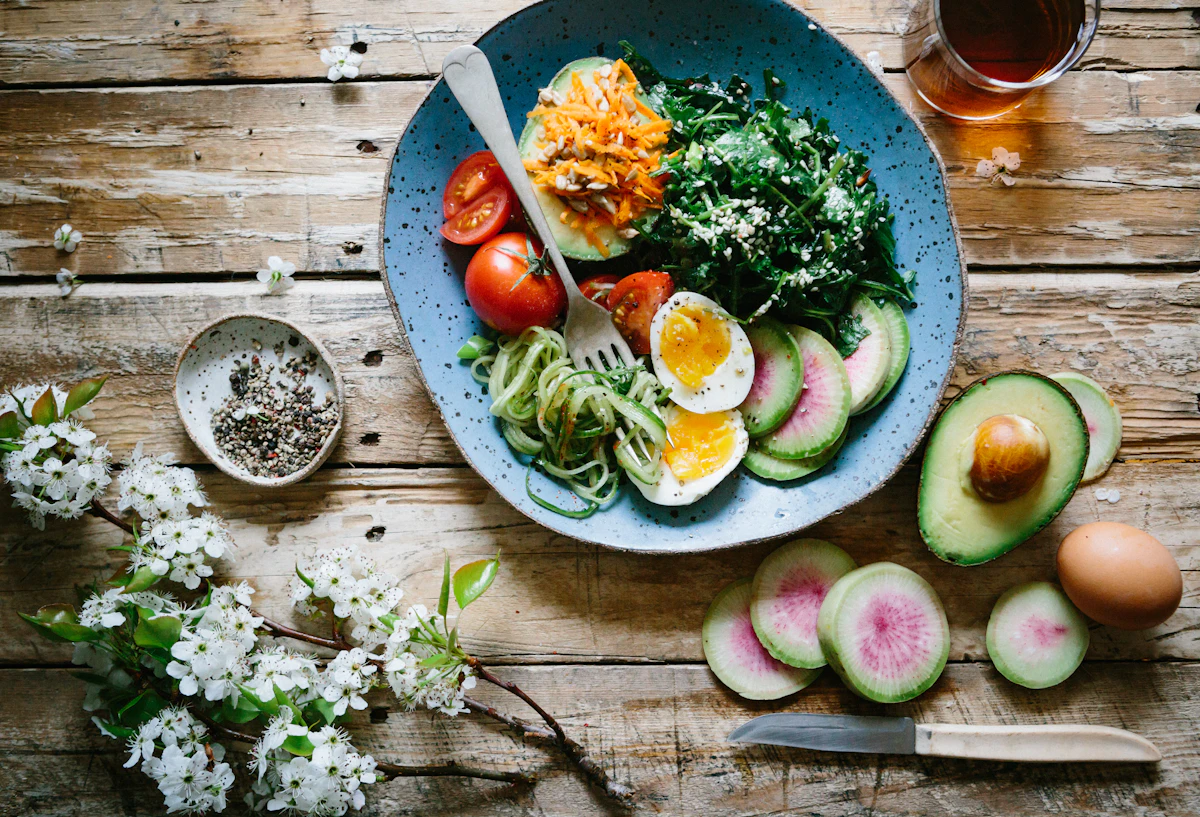
Healthy eating for beginners does not need calorie apps, expensive superfoods or a list of forbidden foods. It starts with a handful of repeatable habits: eating more plants, choosing whole foods more often, including some protein at each meal, drinking enough water and planning a little so that good choices are easy. Small changes, kept up for months, beat dramatic diets that last a week.
This guide is written for people who feel confused by conflicting nutrition advice. You will learn what the main food groups do, how to build simple meals, which swaps make the biggest difference, how to read a food label, what a realistic day of eating looks like and how to introduce new habits over four weeks. Everything here is general education, and you can adapt it to your culture, budget and tastes.
What Healthy Eating Really Means
A healthy way of eating gives your body the energy, protein, fats, carbohydrates, vitamins, minerals and fiber it needs, most of the time, in amounts that suit your age, activity and health. It is a pattern, not a single meal. One slice of cake does not undo a week of good habits, and one salad does not repair a poor diet.
Balance, variety and moderation
Three ideas appear in almost every reliable set of national dietary guidelines. Balance means eating from all the main food groups. Variety means rotating different vegetables, fruits, grains and protein sources, because each brings different nutrients. Moderation means enjoying treats without making them the center of your diet.
Healthy does not mean perfect
Many beginners quit because they treat one slip as a failure. A better approach is the "most of the time" rule. If most of your meals are built around whole foods, you have room for birthday cakes, family feasts and favorite snacks. Aim for progress, not perfection. That mindset is the real foundation of healthy eating for beginners, because it keeps you going on the days when plans fall apart.
The Main Food Groups and What They Do
Understanding what each group contributes makes meal planning much easier. You do not need to memorize numbers; you only need to know why each group matters.
Vegetables and fruit
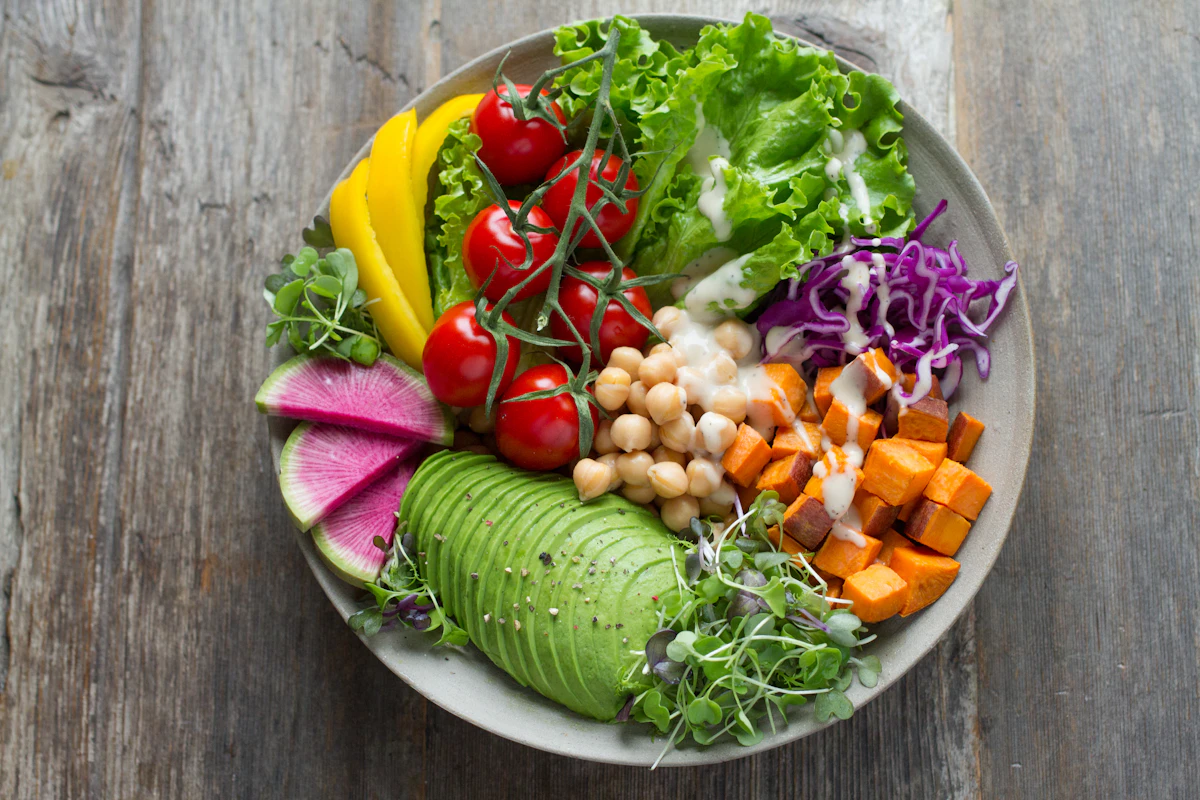
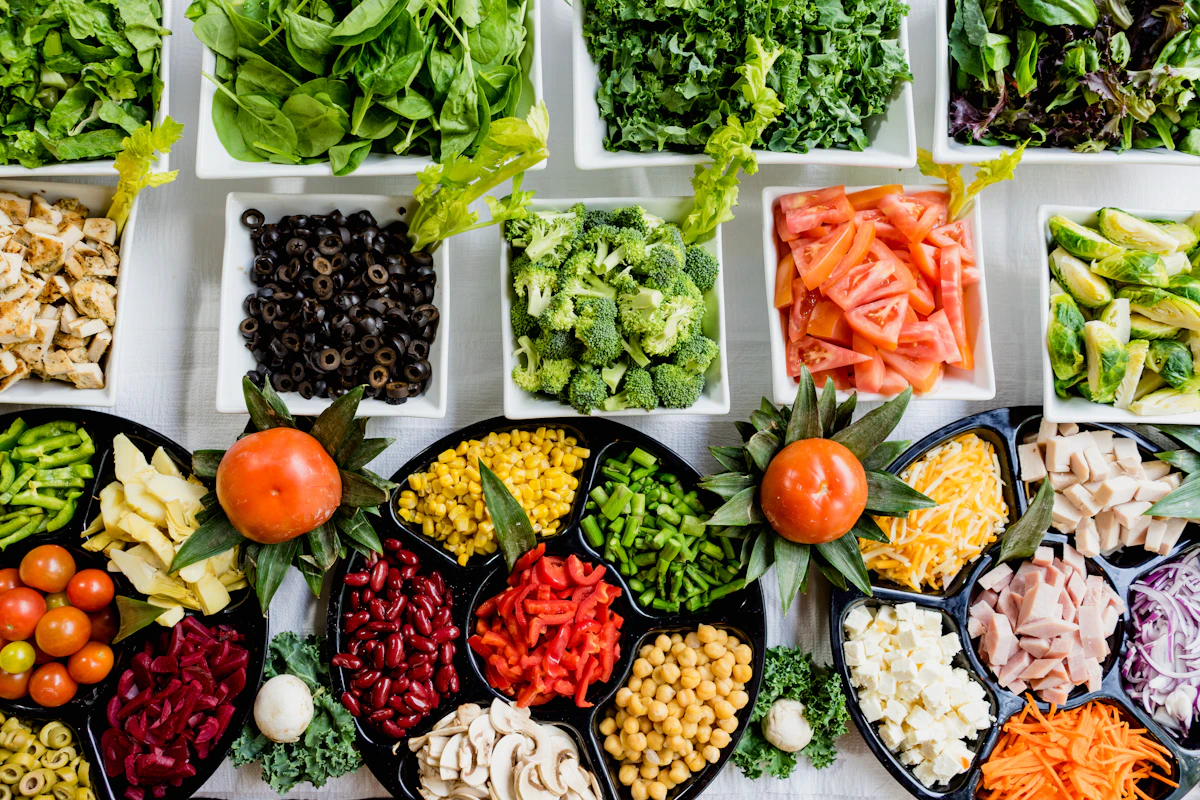
These supply fiber, vitamins, minerals and plant compounds, and they are filling for relatively few calories. Aim for a variety of colors across the week. Fresh, frozen and canned options all count, and frozen vegetables are often just as nutritious as fresh because they are frozen soon after harvest.
Whole grains and starchy foods
Oats, brown rice, whole-wheat bread, quinoa, potatoes and corn provide energy and, in the whole-grain versions, extra fiber and B vitamins. Choose whole or minimally processed versions more often, and keep portions sensible rather than cutting them out.
Protein foods
Fish, poultry, eggs, lean meat, beans, lentils, tofu, nuts and dairy foods help build and repair tissue and keep you full. Including a source at each meal steadies hunger. If you want more detail, read our guide on how much protein you need.
Healthy fats
Olive oil, nuts, seeds, avocado and oily fish supply fats your body needs for hormones, brain health and absorbing certain vitamins. Fat is energy dense, so small portions go a long way.
Dairy or fortified alternatives
Milk, yogurt and cheese provide calcium and protein. If you avoid dairy, look for fortified plant drinks and other calcium sources, such as canned fish with bones, tofu set with calcium and some leafy greens.
Seven Simple Rules to Start With
Rather than overhauling everything, begin with a short list of rules you can actually follow.
- Add before you subtract. Put one extra portion of vegetables on your plate before thinking about what to remove.
- Build meals around whole foods. Choose ingredients that look like they did when they came from the farm or sea whenever possible.
- Include protein at each meal. Eggs at breakfast, beans at lunch and fish or chicken at dinner is an easy pattern.
- Make half your plate vegetables or salad at lunch and dinner. Our balanced plate guide shows how.
- Drink water through the day. Keep a bottle nearby and choose water or unsweetened drinks most of the time.
- Eat slowly and stop when comfortably full. Satisfaction signals take time to arrive. Putting down your fork between bites helps.
- Plan two or three meals ahead. Even a rough plan prevents the 7 p.m. "what's for dinner?" panic that leads to takeout.
Tip: Start with just two rules for the first week. Habits stick when you build them one at a time.
Easy Swaps That Add Up
You do not have to give up foods you enjoy. Small substitutions can improve the quality of your diet without making meals feel like a punishment.
- Swap sugary soft drinks for sparkling water with a slice of lemon or lime.
- Swap white bread or white rice for whole-grain versions a few times a week.
- Swap crisps or chips for a handful of unsalted nuts or air-popped popcorn.
- Swap flavored yogurt with added sugar for plain yogurt topped with fruit.
- Swap fried foods for baked, grilled or air-fried versions.
- Swap creamy dressings for olive oil and lemon or vinegar.
- Swap sugary breakfast cereal for oats with fruit and nuts.
Choose two or three swaps that feel easy and ignore the rest until later. For snack ideas that keep you full between meals, see our guide to healthy snack ideas.
How to Read a Food Label
Food labels can look intimidating, but you can learn the essentials in a minute. Check these four things.
Serving size
All the numbers on a label refer to one serving. If the pack contains three servings and you eat everything, multiply the numbers by three. This single step explains many surprises.
Ingredient list
Ingredients are listed from the largest amount to the smallest. If sugar, syrup or refined flour appears near the top, the product contains a lot of it. A short ingredient list of recognizable foods is usually a good sign.
Sugar, salt and saturated fat
Many countries use traffic-light colors or a "high, medium, low" system to make these easier to compare. When two similar products sit side by side, choose the one with lower added sugar, salt and saturated fat.
Fiber and protein
Higher fiber and protein generally mean a food will keep you full for longer. When comparing breads, cereals or snack bars, look at these numbers first.
A Sample Day of Healthy Eating
Here is one realistic example of what healthy eating for beginners might look like in practice. Use it as inspiration, not a rulebook. Swap in foods that suit your culture and budget.
| Meal | Example | Why it works |
|---|---|---|
| Breakfast | Oats cooked in milk, topped with berries and chopped nuts | Fiber, protein and healthy fats keep you full |
| Mid-morning | An apple and a small handful of almonds | Steady energy without a sugar spike |
| Lunch | Lentil and vegetable soup with whole-grain bread and a side salad | Plant protein, fiber and plenty of vegetables |
| Afternoon | Plain yogurt with sliced fruit | Protein and calcium |
| Dinner | Grilled fish or chicken, roasted vegetables and a small portion of rice or potatoes | A balanced plate with lean protein |
| Throughout the day | Water, tea or other unsweetened drinks | Hydration without extra sugar |
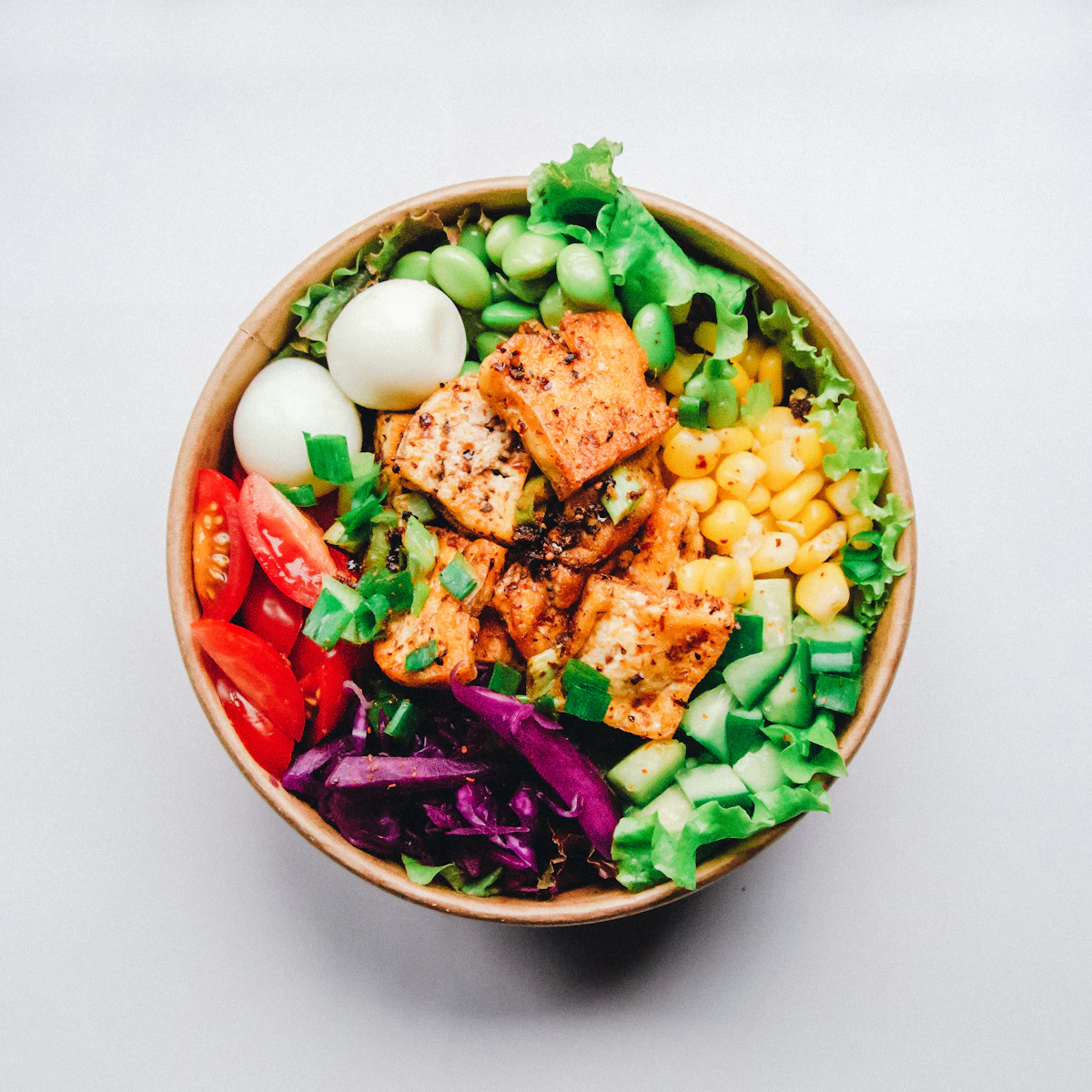
If you eat vegetarian or vegan, replace the fish or chicken with tofu, tempeh, eggs, beans or chickpeas. If your budget is tight, canned beans, frozen vegetables, eggs, oats and seasonal produce are among the most affordable ways to eat well.
A Four-Week Plan to Build the Habit
Trying to change everything at once usually ends in burnout. Spread the changes over a month.
Week 1: Add vegetables and water
Add one portion of vegetables to lunch and dinner. Carry a water bottle and drink a glass with each meal. Do not change anything else yet.
Week 2: Upgrade breakfast and snacks
Build breakfast around protein and fiber, such as eggs and whole-grain toast, or oats with fruit. Replace one processed snack a day with fruit, nuts or yogurt.
Week 3: Plan and prepare
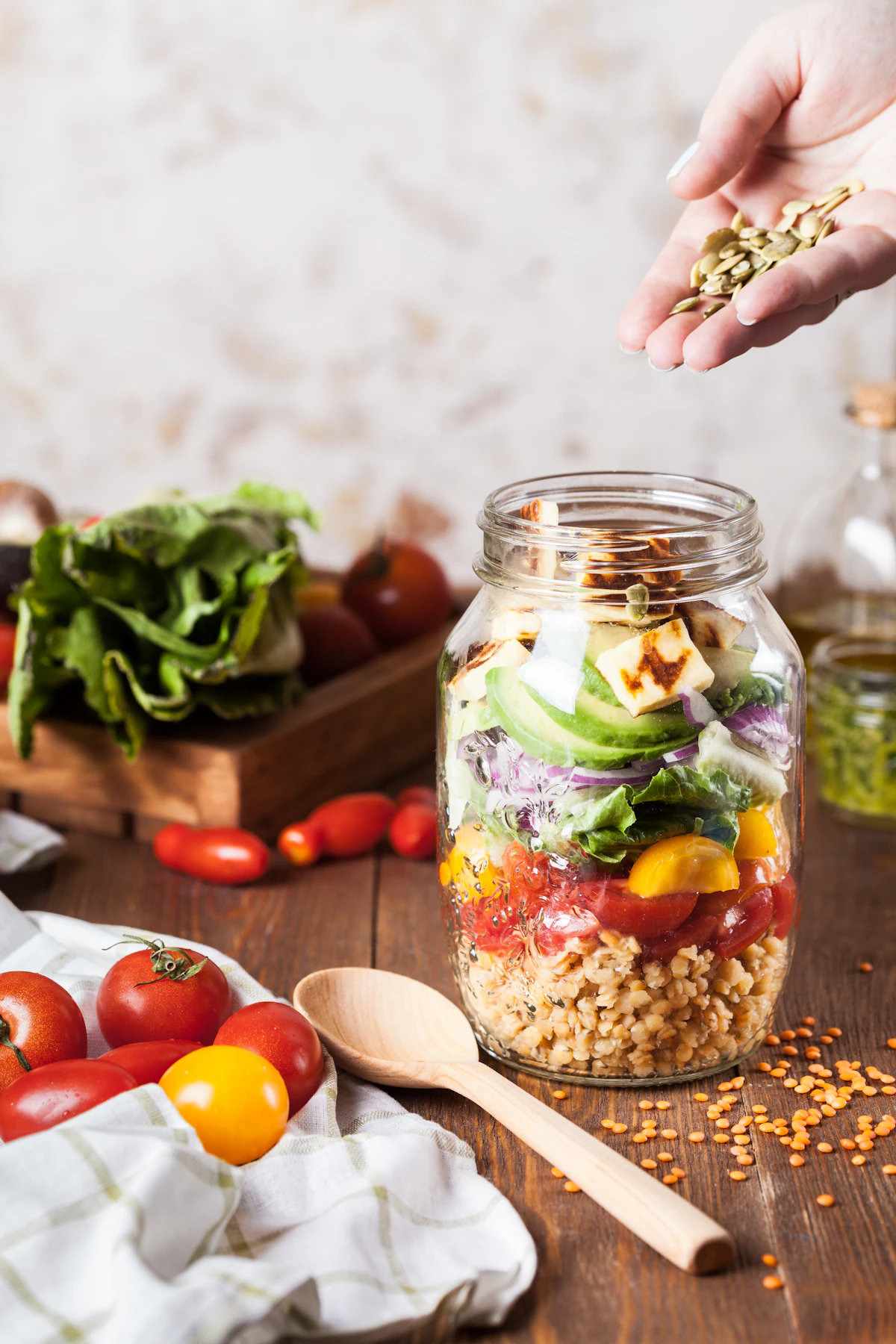
Pick three dinners for the week, write a short shopping list and prepare one ingredient ahead of time, such as cooked rice or chopped vegetables. For a fuller system, see our guide to healthy meal prep for the week.
Week 4: Reduce sugary drinks and fine-tune
Cut sugary drinks by half, then by half again. Review which habits felt easy and which felt hard, and adjust. By now you will have four new habits in place, which is a strong foundation.
Eating Out, Family Meals and Busy Days
Real life includes restaurants, celebrations, shared family cooking and days with no time. Healthy eating should survive all of them.
Eating out
Look for grilled, baked, steamed or roasted dishes, ask for dressing on the side and add a side of vegetables or salad. Sharing a dessert or a starter is a gentle way to enjoy the experience without overdoing it. Do not arrive starving; a small snack beforehand helps you order calmly.
Family meals
If you cook for others, you can make one meal with simple options at the table. For example, serve pasta with a vegetable-rich sauce and let each person add cheese or extra toppings. Involving children in shopping and cooking helps them accept new foods.
Busy days
Keep a short list of fast, decent meals: scrambled eggs and toast with fruit, a bean and vegetable wrap, canned fish with salad, or a pan of frozen vegetables with rice and tofu. Having two or three of these in your back pocket prevents the fallback of constant fast food.
Eating well on a budget
Healthy eating for beginners is often assumed to be expensive, but a few habits keep costs low. Buy staples such as oats, rice, beans, lentils and frozen vegetables in larger packs. Choose seasonal fruit and vegetables, which are usually cheaper and tastier. Cook a big batch of soup, stew or curry and freeze portions, so a decent meal is always ready. Check the unit price on the shelf label to compare brands fairly, and plan meals around what you already have to reduce waste.
Common Beginner Mistakes
- Cutting out whole food groups. Unless a medical reason exists, eliminating carbohydrates or fats completely is rarely necessary and is hard to maintain.
- Relying on "health" labels. Words like "natural," "light" or "protein" on the front of a package say little about the whole product. Check the back.
- Skipping meals to save calories. This often leads to overeating later and makes it harder to choose well.
- Drinking calories without noticing. Sweetened coffee, juice, soft drinks and smoothies can add a large amount of sugar quickly.
- Buying everything at once. A cupboard full of unfamiliar ingredients often leads to waste. Add a few new foods each week.
- Copying extreme diets from social media. What works for an influencer's body and schedule may be unsuitable for yours.
- Forgetting hydration. Thirst is sometimes mistaken for hunger. Our hydration guide explains how much to aim for.
When to Get Professional Advice
General guidance suits many healthy adults, but individual needs differ. Some situations deserve personal advice from a doctor or a registered dietitian rather than general articles.
- You have diabetes, kidney disease, heart disease, high blood pressure or digestive conditions.
- You are pregnant, breastfeeding, or planning a pregnancy.
- You have food allergies or suspect an intolerance.
- You take medication that interacts with certain foods.
- You experience unexplained weight change, constant fatigue or ongoing stomach problems.
- You notice that food has become a source of anxiety, guilt or fear.
Please note: This article is general education, not personal medical or nutrition advice. Speak with a qualified healthcare professional before making major changes to your diet, especially if you have a health condition. If you think you may have an eating disorder, please contact a doctor or a mental health professional.
Frequently Asked Questions
What is the easiest way to start eating healthy?
Add a vegetable to two meals a day and swap one sugary drink for water. These two changes are simple, cheap and effective, and they build momentum for other habits.
Do I need to count calories?
Most beginners do not. Focusing on whole foods, sensible portions, protein and vegetables usually improves your diet without any counting. Tracking can be useful for some goals, but it is optional and not right for everyone.
Is healthy food more expensive?
It can be, but it does not have to be. Beans, lentils, oats, eggs, frozen vegetables, seasonal fruit and canned fish are budget friendly and nutritious. Planning meals also cuts waste, which saves money.
Can I still eat my favorite foods?
Yes. A healthy pattern leaves room for foods you love. Enjoy them mindfully, in reasonable portions, rather than labeling them as bad.
How long before I notice a difference?
Many people notice steadier energy, better digestion and improved mood within two to four weeks. Changes in weight, blood tests and fitness take longer and vary between individuals.
Is eating at night unhealthy?
What and how much you eat across the whole day matters more than the clock. If late-night eating leaves you uncomfortable or disturbs your sleep, try finishing your main meal earlier and keeping a small, balanced snack for evening hunger.