Home › Healthy Lifestyle & Preventive Care
Healthy Lifestyle & Preventive CareHydration Guide: How Much Water Should You Drink?
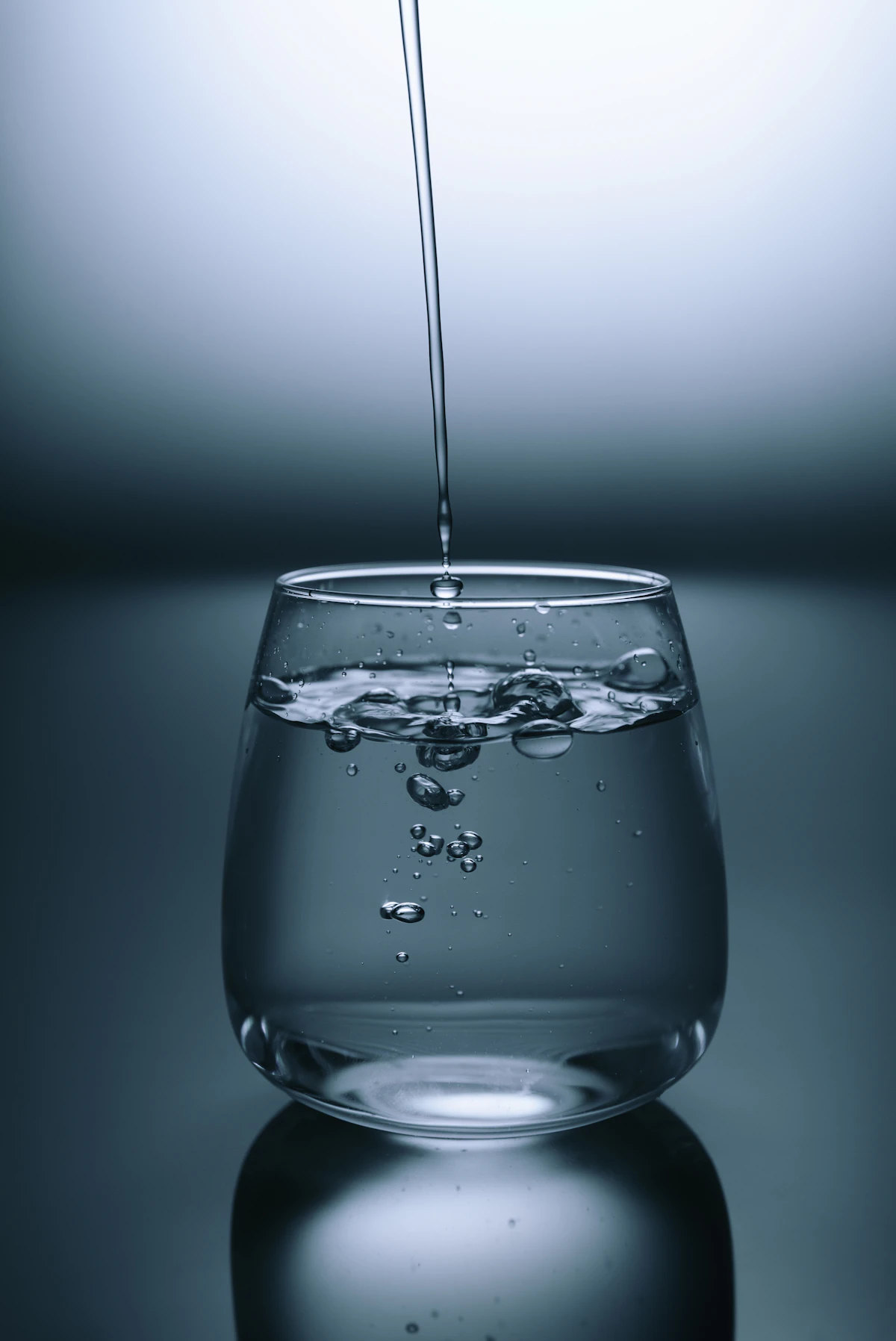
How much water should you drink each day? You have probably heard "eight glasses," but that number is a rough rule of thumb, not a scientific law. Your real needs depend on your body size, climate, activity level, diet, age and health. The good news is that your body has a built-in system, thirst, that works well for most healthy people, and a few simple checks can tell you whether you are on track.
This guide explains what hydration does, how much fluid most adults need, how to adjust for exercise, heat, pregnancy and age, which signs suggest you are drinking too little or too much, and which drinks and foods count. You will also find practical habits that make drinking enough easier, a simple daily schedule and answers to common questions. Everything here is general education and does not replace personal medical advice.
Why Water Matters
Water makes up roughly half to two-thirds of an adult's body weight. It is involved in nearly everything your body does, from regulating temperature to moving nutrients and removing waste.
What water does for you
- Temperature control: sweating cools you down, and sweat is mostly water.
- Circulation: blood is about 90 percent water, and fluid levels affect blood volume and blood pressure.
- Digestion: water helps you break down food, absorb nutrients and keep stools soft.
- Joints and tissues: fluid cushions joints, the spinal cord and other tissues.
- Waste removal: the kidneys use water to filter waste and excrete it in urine.
- Brain function: even mild dehydration, around 1 to 2 percent of body weight, can affect concentration, mood and perceived effort.
Why you lose water all day
You lose water through urine, sweat, breathing and digestion every day, even when you are sitting still. Hot weather, dry air, high altitude, illness with fever, vomiting or diarrhea, and exercise raise those losses. Replacing them through food and drink is the basis of hydration.
How Much Water Should You Drink?
Health organizations estimate adequate total fluid intake, including all drinks and the water in food. In the United States, one widely cited estimate from the National Academies is about 3.7 liters (about 125 ounces) a day for men and about 2.7 liters (about 91 ounces) a day for women. Roughly 20 percent of that normally comes from food, so drinks supply the rest, about 3.0 liters for men and 2.2 liters for women.
A practical range
For most healthy adults living in a temperate climate, that works out to roughly 1.5 to 2.5 liters of drinks a day, which is about 6 to 10 cups. Treat this as a starting point. If your urine is pale and you rarely feel thirsty, you are probably drinking enough, even if you are below the averages.
A simple weight-based estimate
Some people prefer a personal estimate. A commonly used rule is about 30 to 35 milliliters of fluid per kilogram of body weight per day. A person who weighs 70 kilograms would aim for roughly 2.1 to 2.5 liters of total fluid. This is only a rough guide, and food, climate and activity can move the number up or down.
| Situation | General guidance |
|---|---|
| Healthy adult, moderate climate | About 1.5 to 2.5 liters of drinks plus food |
| Hot weather or sweaty work | Increase gradually and replace sweat losses |
| Moderate exercise (30 to 60 min) | Add roughly 350 to 700 ml, depending on sweat |
| Pregnancy | Often about 2.3 liters of total fluid; ask your doctor |
| Breastfeeding | Often about 3.1 liters of total fluid; ask your doctor |
| Older adults | Drink regularly even if not thirsty; follow medical advice |
When You Need More: Heat, Exercise and Life Stages
Hot weather and altitude
In heat you can lose a liter or more of sweat per hour during hard activity. Drink steadily through the day, seek shade and wear light clothing. At altitude, you breathe faster and lose more water through your breath, so extra fluid is helpful.
Pregnancy and breastfeeding
Fluid needs increase during pregnancy and again during breastfeeding because of increased blood volume and milk production. Keep a bottle nearby and speak with your midwife or doctor about the right amount for you.
Children
Children dehydrate faster than adults because they have a higher proportion of surface area to body weight. Offer water regularly, particularly during play and hot weather, and limit sugary drinks.
Older adults
The sense of thirst becomes less reliable with age, and some medications, such as diuretics, increase fluid loss. Older adults benefit from drinking at regular times rather than waiting for thirst, unless a doctor has advised limits because of a heart or kidney condition.
Illness
Fever, vomiting and diarrhea can lead to rapid dehydration. Small, frequent sips of water or an oral rehydration solution help. Seek medical care if you cannot keep fluids down, if symptoms last more than a day or two, or if a baby, young child or older adult is affected.
Signs You Are Drinking Too Little
Your body gives clear signals, and learning to read them is more useful than counting glasses.
Urine color
Pale yellow, like light straw, usually indicates good hydration. Dark yellow or amber suggests you need more fluid. Note that some vitamins, foods and medicines can change urine color, so use it as a general guide only.
Other common signs
- Thirst and a dry mouth.
- Headache or difficulty concentrating.
- Fatigue or low energy.
- Infrequent urination, usually fewer than three or four times a day.
- Dry lips and skin.
- Dizziness when standing up.
- Constipation.
These symptoms can have other causes. If they are severe or persistent, speak with a healthcare professional.
Can You Drink Too Much?
Yes, although it is uncommon in everyday life. Drinking very large amounts of water in a short time can dilute the sodium in your blood, a condition called hyponatremia. It has been reported in endurance athletes who drink far more than they sweat, and in people who force down large volumes of water.
How to avoid overdrinking
- Drink to thirst and urine color rather than forcing a fixed amount.
- Spread fluids across the day instead of drinking liters at once.
- During long endurance events, include some sodium through food or sports drinks, as advised by experienced coaches.
- If you have heart failure, kidney disease or a condition that causes fluid retention, follow your doctor's fluid limits.
What Counts Toward Your Fluids
Plain water is the best everyday choice, but it is not the only source. Most drinks and many foods contribute to your total.
Drinks
- Water, sparkling water and unsweetened herbal tea hydrate without calories.
- Tea and coffee count toward fluids. Moderate caffeine intake does not cause meaningful dehydration for most regular drinkers.
- Milk and fortified plant drinks hydrate and provide protein and calcium.
- Juice and smoothies hydrate but contain sugar, so keep portions small.
- Sugary soft drinks and energy drinks hydrate but add sugar and, in some cases, a lot of caffeine. They are better as occasional treats.
- Alcohol has a diuretic effect and is not a good source of hydration.
Food
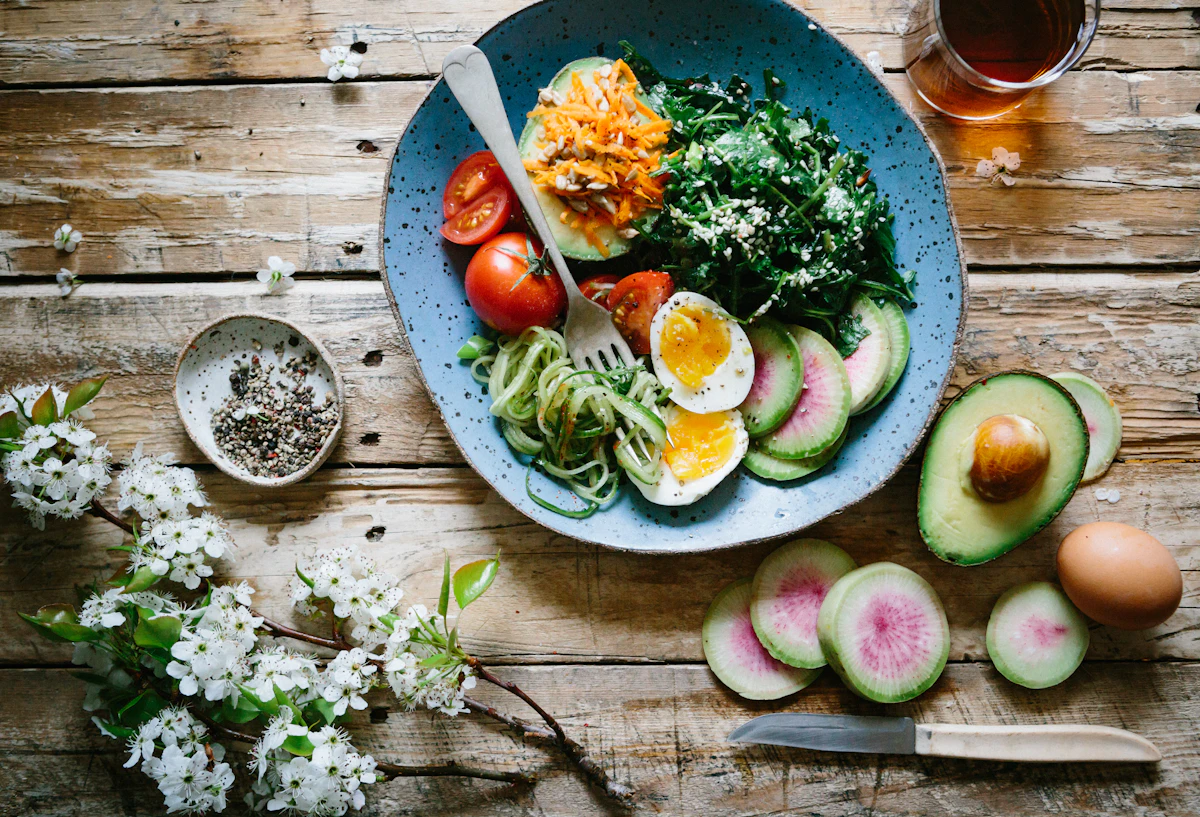
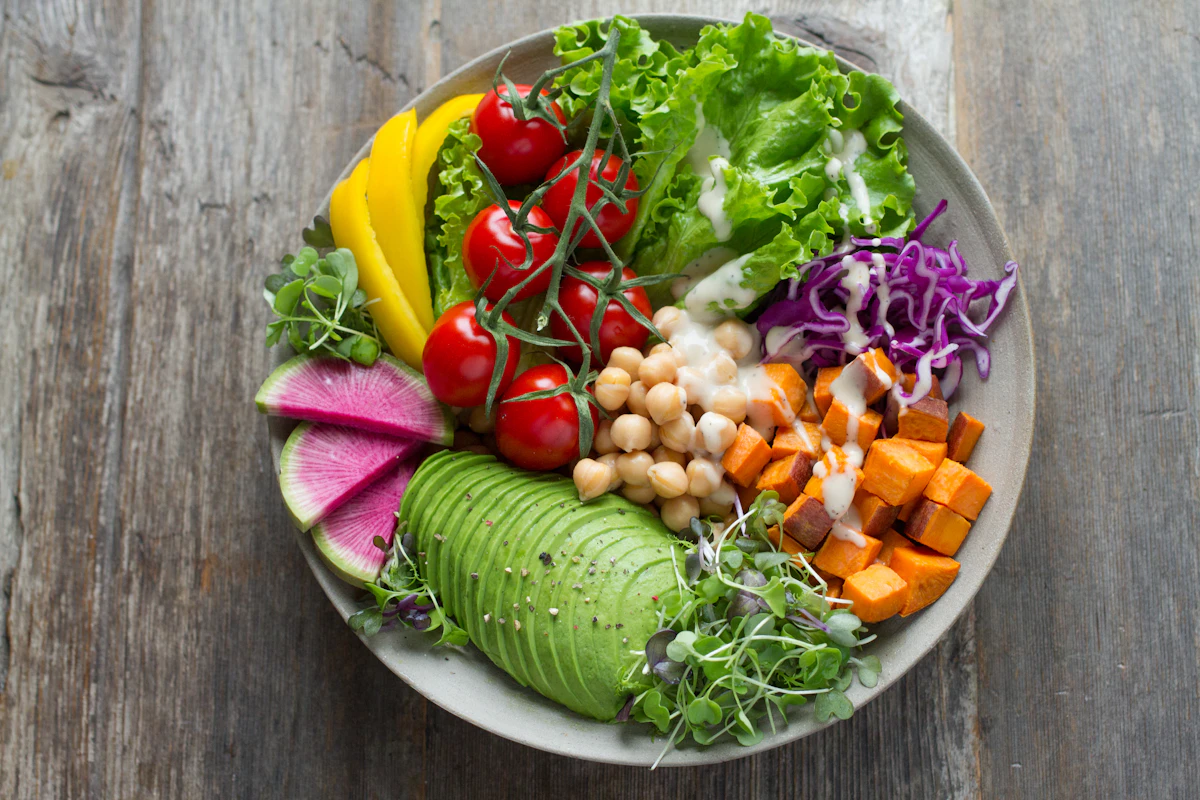
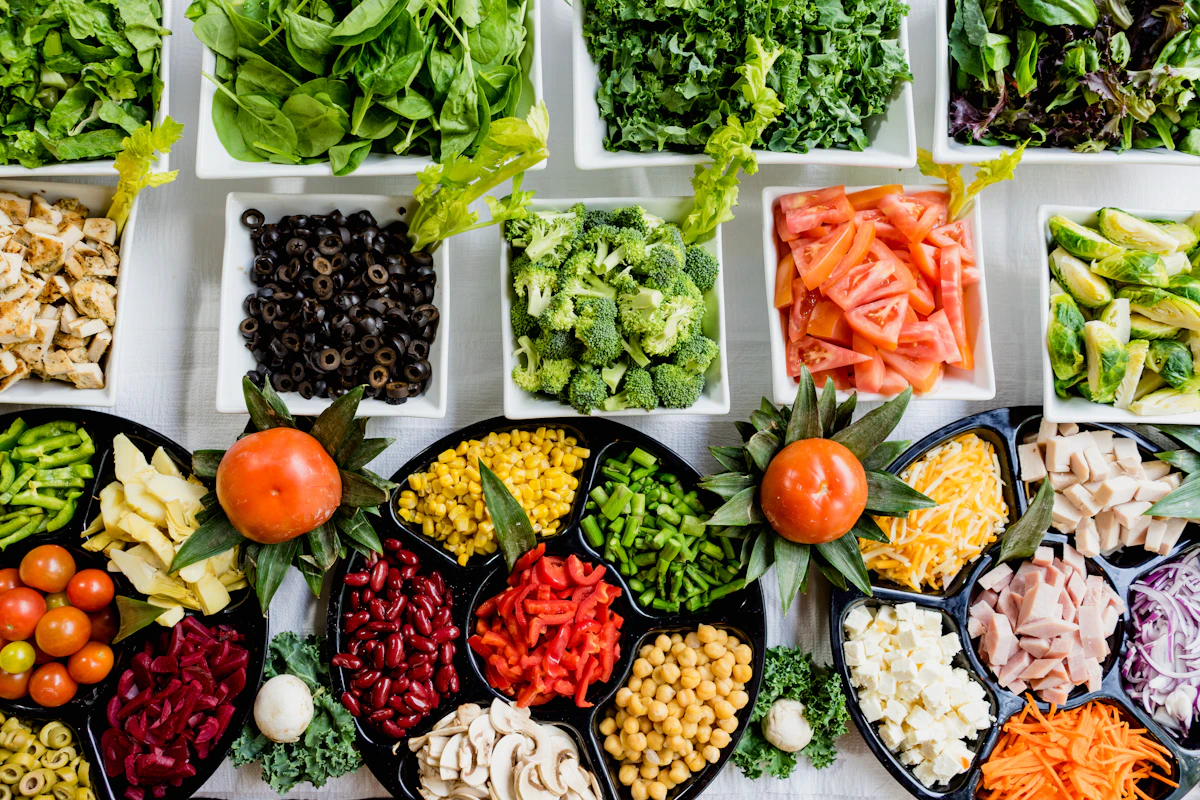
Fruit and vegetables such as watermelon, cucumber, oranges, strawberries, lettuce and tomatoes are more than 85 percent water. Soups, yogurt and cooked grains such as oats and rice also contribute. A diet rich in plants is one of the easiest ways to improve hydration, as our healthy eating guide for beginners explains.
Simple Habits That Make Hydration Easy
Knowing how much water you should drink is easier than doing it. These habits turn good intentions into a routine.
- Start with a glass in the morning. You have gone hours without fluid. Our healthy morning routine guide shows where this fits.
- Keep a bottle where you can see it. Visible water gets drunk. A 500 to 750 ml bottle refilled a few times is easy to track.
- Drink with every meal and snack. A glass at each of three meals and two snacks gives you five anchors.
- Add flavor naturally. Slices of lemon, cucumber, mint or berries make plain water more appealing.
- Link drinking to existing habits. Drink after brushing your teeth, before checking email or when you sit down at your desk.
- Use reminders at first. An alarm or app can help until the habit becomes automatic.
- Eat water-rich foods. Add soups, fruit and salad to your plate.
- Carry water when you travel or exercise. Hydration is easier to maintain than to recover.
A Sample Hydration Schedule
The schedule below shows one way to reach about 2 liters of drinks without feeling like you are doing anything unusual.
| Time | What to drink | Approx. amount |
|---|---|---|
| On waking | Glass of water | 250 ml |
| Breakfast | Tea, coffee or milk | 250 ml |
| Mid-morning | Water from your bottle | 300 ml |
| Lunch | Water or unsweetened drink | 250 ml |
| Afternoon | Water or herbal tea | 350 ml |
| Dinner | Water with the meal | 250 ml |
| Evening | Small glass or herbal tea | 200 ml |
If you wake at night to use the bathroom, taper drinking in the last hour or two before bed. Good sleep matters as well, and our better sleep guide covers evening routines.
Hydrating Before, During and After Exercise
Exercise raises fluid needs, but you do not need elaborate formulas for ordinary workouts.
Before
Drink a glass or two of water in the two hours before training, and make sure your urine is pale. Do not force large amounts right before you start.
During
For sessions under an hour, sip water as you feel thirsty. For long sessions, hot conditions or heavy sweating, drink small amounts regularly, roughly 150 to 250 ml every 15 to 20 minutes, and consider a drink or food with some sodium and carbohydrate. Our guide to the best cardio workouts includes tips on managing effort in the heat.
After
Replace fluid over the next few hours, drinking to thirst and combining it with a balanced meal. If you lose noticeable weight during a hard session, a common guideline is to drink about 1.25 to 1.5 times the fluid lost over the following hours. Protein and carbohydrate also help recovery, as explained in our protein guide.
Two Real-Life Examples
Priya: office worker with afternoon headaches
Priya drank two cups of coffee in the morning and little else until dinner. Her afternoon headaches improved when she started keeping a 750 ml bottle on her desk and finishing it by lunch, then refilling it for the afternoon. She still enjoys her coffee. She also noticed that her urine color moved from dark yellow to pale.
Tom: recreational runner in a hot city
Tom felt dizzy and drained on summer runs. He started drinking a glass of water before leaving, carried a small bottle and ran earlier in the morning to avoid the worst heat. After longer runs, he added a salty snack and a large glass of water. His runs felt easier, and the dizziness disappeared. If it had continued, he planned to see his doctor.
Both examples show how simple, repeatable habits beat complicated rules.
Hydration Myths
- "You must drink eight glasses of plain water." Total fluid includes tea, coffee, milk and food. Your needs are individual.
- "Coffee dehydrates you." In regular drinkers, moderate coffee contributes to fluid intake.
- "If you are thirsty, you are already dehydrated." Thirst is a normal signal that appears before significant dehydration in healthy people.
- "Clear urine is always best." Pale yellow is the goal. Very clear urine all day may mean you are drinking more than you need.
- "Water flushes out fat." Water supports health and may help you feel full, but it does not melt fat on its own.
Safety and When to See a Doctor
Seek medical help promptly if you or someone else shows signs of severe dehydration, such as confusion, very dark urine or no urine for many hours, a rapid heartbeat, fainting, sunken eyes or extreme weakness. Heat exhaustion and heat stroke are emergencies. Also speak with a doctor if you are very thirsty all the time or urinate unusually often, because this can be a sign of conditions such as diabetes.
Please note: This article is general education, not personal medical advice. People with heart failure, kidney disease, liver disease, certain hormone conditions or those taking medications that affect fluid balance should follow the fluid advice from their healthcare team.
Frequently Asked Questions
How much water should you drink a day to be healthy?
Most healthy adults do well with roughly 1.5 to 2.5 liters of fluids a day, plus the water in food. Adjust for heat, exercise and your own thirst and urine color.
Does drinking more water help you lose weight?
Water has no calories, and drinking it in place of sugary drinks can lower your calorie intake. Drinking a glass before a meal may help some people feel fuller. It is a helpful habit, not a weight-loss solution on its own.
Is sparkling water as hydrating as still water?
Yes. Plain sparkling water hydrates just as well. Choose unsweetened versions, and note that some people find the bubbles uncomfortable.
Should I drink water before bed?
A small glass is fine for most people. Large amounts close to bedtime may cause nighttime trips to the bathroom and interrupt sleep.
Do I need sports drinks?
For most workouts under an hour, water is enough. Sports drinks can be useful during long, intense or hot sessions when you lose a lot of sweat and need carbohydrates and sodium.
Can being dehydrated cause headaches?
Mild dehydration can contribute to headaches in some people, and drinking water can help. Frequent or severe headaches deserve a medical check, because there are many possible causes.