Home › Healthy Lifestyle & Preventive Care
Healthy Lifestyle & Preventive CareHealthy Snack Ideas That Keep You Full
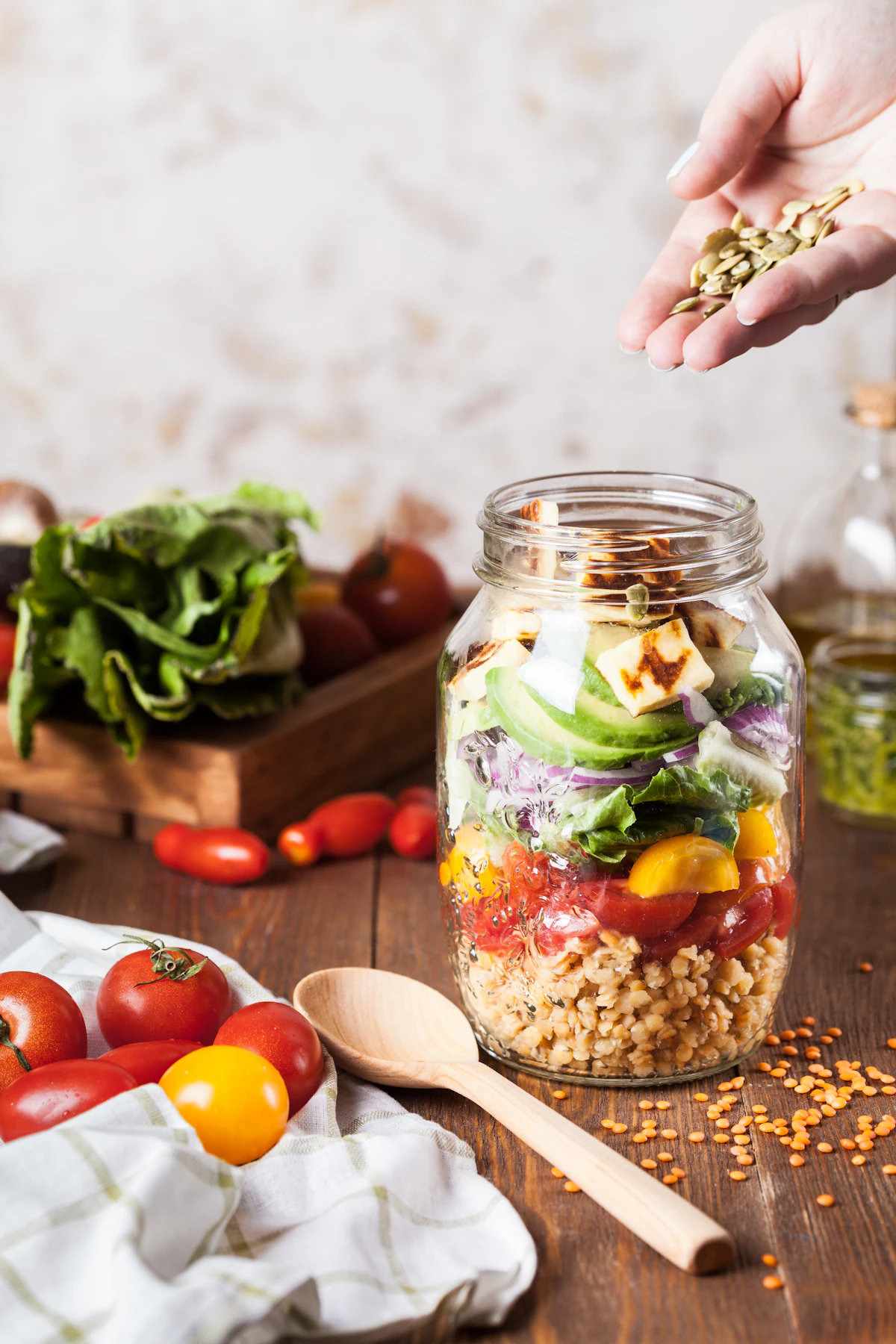
The best healthy snack ideas share one trait: they keep you comfortably full until your next meal without a sugar spike and crash. A bag of crisps or a pastry may taste good for two minutes, but a snack that combines protein, fiber and a little healthy fat can steady your energy for hours. The difference is rarely about willpower. It is about what is available when hunger arrives.
This guide gives you a simple formula for building snacks that satisfy, more than thirty practical ideas sorted by situation, portion guidance, tips for reading packaged-snack labels, advice for mindful snacking and a plan for preparing snacks ahead. You will also find two real-life examples and answers to common questions. Everything is general education, so adapt it to your tastes, culture, allergies and health needs.
Do You Actually Need Snacks?
Snacking is neither good nor bad on its own. Some people feel best eating three solid meals a day, and others do better with a small snack between meals. What matters is whether your snacks add nutrition and fit your hunger, or whether they are automatic habits driven by boredom, stress or convenience.
Signs a snack might help
- There are more than four or five hours between meals.
- You are active, training or on your feet for much of the day.
- You notice headaches, irritability or poor concentration when you wait too long to eat.
- You tend to overeat at the next meal because you are ravenous.
- You are pregnant, breastfeeding, a growing child or an older adult with a small appetite.
Signs you may not need one
If you reach for snacks mainly when you are bored, tired or procrastinating, a drink of water, a short walk or a few minutes of rest may be more useful than food. Try rating your hunger from one to ten. If you are below a four, a snack is probably welcome. If you are at a six or higher, you may simply be looking for a break.
The Snack Formula That Keeps You Full
The most satisfying snacks combine at least two of three ingredients: protein, fiber and healthy fat. Carbohydrate alone, such as crackers, fruit juice or a plain biscuit, digests quickly and often leaves you hungry again soon.
Protein
Protein slows digestion and makes you feel full. Good snack sources include yogurt, cottage cheese, eggs, edamame, hummus, tuna, nuts and seeds. If you want to check how this fits your daily total, read our guide on how much protein you need.
Fiber
Fiber comes from vegetables, fruit, whole grains, beans and seeds. It adds bulk, slows the absorption of sugar and supports digestion. An apple with its skin is more filling than apple juice for exactly this reason.
Healthy fat
Nuts, seeds, nut butters, avocado, olives and oily fish add flavor and long-lasting energy. Because fat is calorie-dense, a small amount goes a long way.
Putting it together
Pair a carbohydrate with a protein or fat. Apple slices with peanut butter, carrot sticks with hummus, yogurt with berries and chia seeds, or whole-grain crackers with cheese are classic examples. As a rough target, aim for a snack of 150 to 250 calories with at least 5 grams of protein or 3 grams of fiber, adjusted to your own needs.
Healthy Snack Ideas by Situation
These healthy snack ideas are grouped by the moments when people tend to struggle. Pick two or three from each group that appeal to you, and keep those ingredients in your kitchen.
Quick snacks with no preparation
- A piece of fruit and a small handful of almonds or walnuts.
- A small pot of plain yogurt with a spoonful of berries.
- A hard-boiled egg with a pinch of salt and pepper.
- A banana with a spoonful of peanut or almond butter.
- A slice of whole-grain toast with mashed avocado.
- A string cheese stick and a handful of grapes.
Savory snacks
- Hummus with carrot, cucumber and pepper sticks.
- Roasted chickpeas seasoned with paprika or cumin.
- Edamame in the pod, lightly salted.
- Cottage cheese with cherry tomatoes and black pepper.
- Whole-grain crackers with tuna or sliced cheese.
- Air-popped popcorn with a light sprinkle of herbs.
- A small bowl of lentil or vegetable soup.
Sweet snacks
- Plain yogurt with cinnamon, sliced fruit and a few nuts.
- Overnight oats or chia pudding made with milk and fruit.
- A small square or two of dark chocolate with a few almonds.
- Baked apple or pear with cinnamon and a spoon of yogurt.
- Frozen grapes or banana slices for a cold treat.
- A homemade smoothie with fruit, spinach and yogurt.
Crunchy snacks
- Mixed unsalted nuts and seeds in a small portion.
- Rice cakes with nut butter and banana slices.
- Kale chips baked with a little olive oil.
- Roasted pumpkin seeds.
- Celery with peanut butter.
Snacks for the office or desk
Keep non-perishable choices in a drawer: single-serve packs of nuts, whole-grain crackers, oat bars with low added sugar, dried fruit in small portions and nut butter pouches. Add a fruit bowl and use a fridge for yogurt, cheese and cut vegetables. Having decent options within reach makes vending machines far less tempting.
Before and after exercise
Before a workout, a small snack of mostly carbohydrate with a little protein digests easily: a banana, toast with honey, or yogurt with fruit about an hour beforehand. After a workout, combine protein and carbohydrate: a glass of milk and a banana, a tuna sandwich or Greek yogurt with oats. If you train regularly, our balanced plate guide explains how to build your next meal.
Snacks for children
Offer simple foods in small portions: sliced fruit, cheese cubes, yogurt, whole-grain crackers and vegetable sticks with a mild dip. Cut round foods such as grapes and cherry tomatoes lengthwise for younger children, and avoid whole nuts for toddlers because of the choking risk.
Quick Reference: Snacks, Amounts and Prep Time
The figures below are approximate and vary with brand and portion, but they show how quickly a smart combination adds protein and fiber.
| Snack | Portion | Approx. protein | Prep time |
|---|---|---|---|
| Greek yogurt with berries | 150 g with a handful of fruit | 13 to 15 g | 2 min |
| Apple with peanut butter | 1 apple, 1 tablespoon | 4 g | 2 min |
| Hummus with vegetables | 3 tablespoons, 1 cup sticks | 5 g | 5 min |
| Hard-boiled eggs | 2 eggs | 12 g | 12 min (once, in batches) |
| Cottage cheese with tomatoes | 1/2 cup | 12 to 14 g | 2 min |
| Edamame | 1/2 cup shelled | 9 g | 5 min |
| Roasted chickpeas | 1/4 cup | 5 to 6 g | 30 min (batch) |
| Whole-grain crackers and cheese | 6 crackers, 30 g cheese | 8 g | 2 min |
Sensible Portion Sizes
Even healthy foods can add up. Nuts, nut butters, dried fruit and granola are nutritious but easy to over-pour. A helpful rule is to plate your snack rather than eating from the package.
- Nuts and seeds: a small handful, about 28 grams.
- Nut butter: one tablespoon to one and a half.
- Dried fruit: a golf-ball-sized portion, about 30 grams.
- Cheese: a matchbox-sized piece, about 30 grams.
- Fresh vegetables: as much as you like, with a modest portion of dip.
- Fresh fruit: one medium piece or a cupped handful of berries or grapes.
Snacking for Your Goals
For steady energy
Choose combinations of fiber, protein and fat and avoid eating sweets on an empty stomach. Space snacks about two to three hours before the next meal so they do not spoil your appetite.
For gradual weight management
Snacks can support weight goals when they replace less filling options and are portioned sensibly. Vegetables, fruit, yogurt and eggs offer volume and nutrition for relatively few calories. If you are following a calorie target, include your snacks in the count. Our healthy weight loss guide covers realistic expectations.
For muscle and training
Active people may need larger snacks with protein and carbohydrate. A cheese sandwich, a smoothie with milk and fruit, or a bowl of cottage cheese with pineapple can fill the gap between meals.
For blood sugar concerns
People with diabetes or prediabetes should work with their healthcare team to choose snacks that suit their medication and monitoring. Pairing carbohydrate with protein or fat is a common principle, but individual advice matters.
Reading Packaged Snack Labels
Packaged snacks are convenient, and some are perfectly good choices, but the front of the package often tells a different story from the back.
Check these four things
- Serving size. A small bag may contain two servings. Multiply the numbers if you plan to eat it all.
- Added sugar. Protein bars and granola bars can contain as much sugar as candy. Look for options with low added sugar.
- Fiber and protein. Higher numbers generally mean a more filling snack.
- Ingredient list. A short list of recognizable ingredients, such as oats, nuts and dried fruit, is usually a better sign than a long list of unfamiliar additives.
Words such as "natural," "light" and "wholesome" are marketing terms, not guarantees. Compare two similar products using the nutrition panel and choose the one with less added sugar and salt.
Mindful Snacking and Emotional Eating
Many snacks are eaten without noticing, in front of a screen, while working or while scrolling. Slowing down helps you enjoy food and recognize fullness.
Simple mindful habits
- Sit down and put the snack on a plate or bowl.
- Remove distractions for the first few minutes.
- Pause halfway and check whether you still want more.
- Drink water first. Thirst can feel like hunger. See our hydration guide for daily targets.
When stress is the trigger
Eating to cope with stress, loneliness or boredom is very common and is not a moral failing. If you notice a pattern, try a short walk, a phone call, stretching or a few deep breaths before you decide. If food feels out of control or causes distress, speak with a doctor or mental health professional for support.
Preparing Snacks for the Week
Fifteen minutes on a weekend can make weekday snacking easier. Wash and cut vegetables and store them in containers with a little water or a damp paper towel. Boil a batch of eggs. Portion nuts into small bags or jars. Divide yogurt into pots with fruit. Roast a tray of chickpeas. When snacks are visible and ready, you are far more likely to choose them. If you like this approach, read our guide to healthy meal prep for the week to extend it to full meals.
Two Real-Life Examples
Nadia: teacher who crashes at 3 p.m.
Nadia used to eat a muffin and sweet coffee at the 3 p.m. slump, and felt tired again by the end of class. She now keeps Greek yogurt in the staff fridge and a bag of almonds in her drawer. On busy days she has yogurt with fruit and a few nuts. Within two weeks she says her afternoon energy is more stable and she is less tempted by the staffroom biscuits.
James: gym-goer with a long commute
James trains after work and gets home late. He used to skip snacks, then overeat at dinner. Now he packs a banana and a handful of nuts for the train, and a small tub of cottage cheese for after the gym. He eats a calmer dinner and finds it easier to stay within his plan.
Both examples show that the right snack, available at the right time, matters more than strict rules.
Common Snacking Mistakes
- Choosing only carbohydrates. Fruit juice or crackers alone digest fast. Add protein or fat.
- Eating from the package. It is easy to lose track of portions. Plate your snack.
- Relying on "health" bars. Some bars are sweets in disguise. Check sugar and fiber.
- Not planning. Without a plan, convenience foods win. Keep good options within reach.
- Snacking all day. Constant grazing makes it hard to notice real hunger. Give your body time between eating occasions.
- Drinking calories. Sweetened coffees and juices can add as much energy as a snack without filling you up.
- Banning treats entirely. Strict bans often backfire. Plan room for small treats you really enjoy.
Safety and When to Get Advice
Food allergies are serious. If you or your child has a nut, seed, dairy, egg or other allergy, read every label and avoid cross-contamination. Young children should not be given whole nuts, whole grapes or hard raw vegetables because of choking risk. People with diabetes, kidney disease or digestive conditions should follow the advice of their healthcare team when choosing snacks.
Please note: This article is general education, not personal medical or nutrition advice. Speak with a doctor or registered dietitian if you have a health condition, a food allergy or a concern about your eating patterns.
Frequently Asked Questions
What are the best healthy snack ideas for weight loss?
Choose snacks that are filling for fewer calories: vegetables with hummus, yogurt with berries, boiled eggs, cottage cheese or a piece of fruit with a few nuts. Portion matters, so plate your snack.
How many snacks should I eat a day?
There is no ideal number. Many people do well with zero to two. Let your hunger, schedule and activity guide you, and keep portions modest.
Are nuts too fattening to snack on?
Nuts are calorie-dense, but a small handful is filling and provides healthy fats, fiber and protein. Studies generally link moderate nut intake with good health outcomes, provided the portion is sensible.
Is fruit a good snack or too much sugar?
Whole fruit is a nutritious snack because it also contains fiber, water and micronutrients. Pairing it with a protein or fat source makes it more filling.
What can I snack on at night?
Choose something light and balanced, such as yogurt with fruit, a small bowl of oats, a slice of whole-grain toast with nut butter or a piece of fruit with cheese. Avoid large, heavy or very spicy snacks close to bedtime if they disturb your sleep.
How do I stop mindless snacking?
Plate your snacks, remove distractions, keep trigger foods out of sight and have ready alternatives. If boredom or stress is the cause, find a replacement activity such as a short walk or a call to a friend.