Home › Healthy Lifestyle & Preventive Care
Healthy Lifestyle & Preventive CareHealthy Meal Prep for the Week
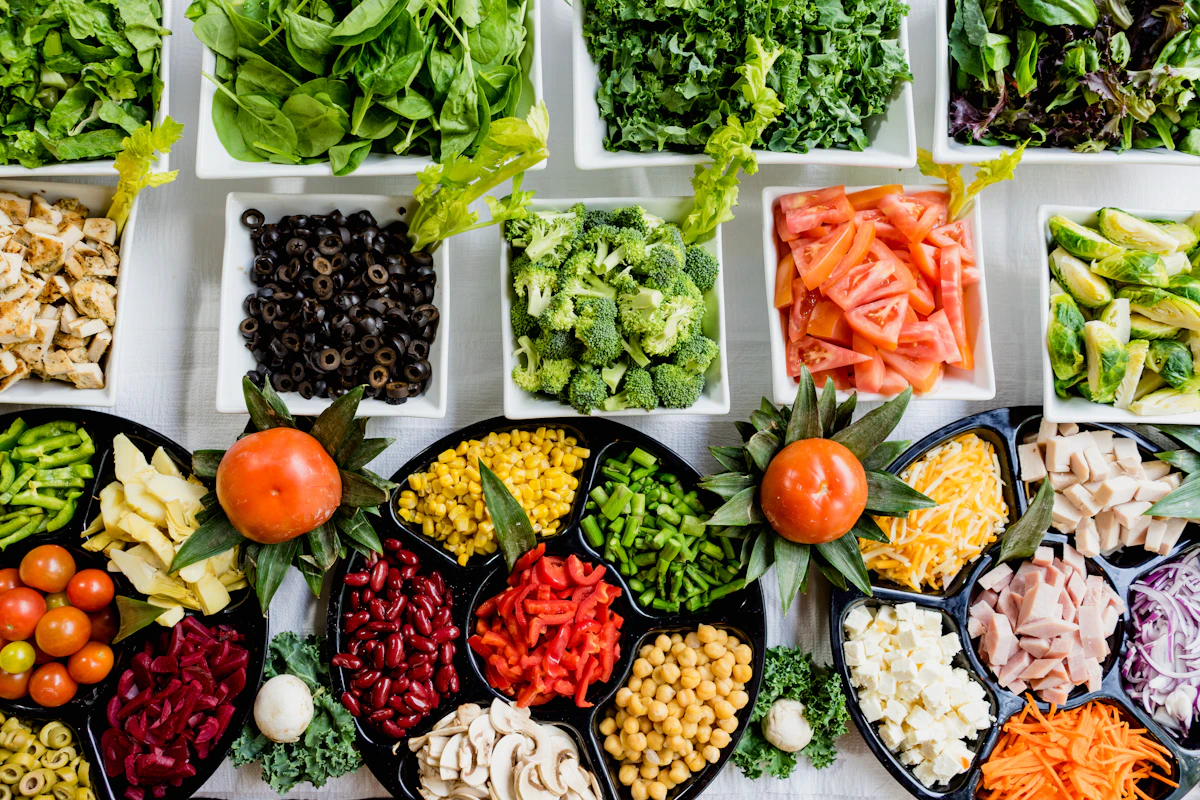
Healthy meal prep is the habit of cooking or assembling parts of your meals ahead of time so that nourishing food is ready when you are tired, busy or hungry. Instead of deciding what to eat at 7 p.m. with an empty stomach, you open the fridge and find cooked grains, roasted vegetables, a protein and a sauce waiting. A couple of focused hours at the weekend can replace dozens of rushed decisions during the week.
This guide shows you how to start without feeling overwhelmed. You will learn the four main prep styles and how to choose one, the equipment worth having, how to store food safely, a step-by-step ninety-minute prep session, a sample menu and shopping list, flexible recipe formulas and the most common mistakes. Everything is written for beginners, and every idea can be adapted to your culture, budget and tastes.
Why Meal Prep Works
Most unhealthy eating happens when we are hungry, rushed and out of options. Meal prep removes the "out of options" part. When a balanced meal is already in the fridge, it becomes the easiest choice rather than the hardest.
It saves time
Cooking in batches is more efficient than cooking from scratch every night. You wash up once, use the oven once and chop vegetables once. A ninety-minute session can cover many lunches and dinners, which frees up evenings for family, exercise or rest.
It saves money
Planning meals means you shop with a list, buy only what you need and use ingredients before they spoil. Many people find that they spend less on takeout, vending machines and impulse purchases once healthy meal prep becomes routine.
It supports your goals
Whether you want steady energy, better portion control or enough protein to support your training, prepared meals make it easier to eat in line with those goals. You can build every container using the proportions in our balanced plate guide, with half vegetables, a quarter protein and a quarter whole grains.
Four Meal Prep Styles and How to Choose
There is no single correct way to prep. Choose the style that matches your schedule and personality, and change it whenever life changes.
| Style | How it works | Best for |
|---|---|---|
| Ingredient prep | Cook components separately and mix them differently each day | People who dislike eating the same meal |
| Batch cooking | Make two or three large dishes and eat them across the week | Families and busy beginners |
| Portioned meals | Divide complete meals into individual containers | People who want grab-and-go lunches |
| Freezer meals | Cook larger amounts and freeze portions for later weeks | Anyone with limited time on weekends |
Why ingredient prep suits most beginners
Cooking a tray of vegetables, a pot of grains, a protein and two sauces gives you options. On Monday you might make a rice bowl with chicken and roasted peppers. On Wednesday the same ingredients become a wrap or a salad. Variety without extra cooking is the main advantage.
When to choose full portioned meals
If your workday leaves no time for assembling food, fully portioned meals are worth the effort. They are also useful when you are learning portions, because every container already contains the right balance.
Equipment and Containers
You do not need special gadgets. A few basics make the process smoother.
- Two large baking sheets for roasting vegetables and proteins at the same time.
- One large pot for soups, stews, grains or beans.
- A good knife and a cutting board that stays stable on the counter.
- Airtight containers in two or three sizes. Glass containers do not stain or absorb odors and can usually go in the microwave, while quality plastic is lighter to carry.
- Small jars or pots for sauces and dressings so that salads do not become soggy.
- A marker and tape to label contents and dates.
If you own a slow cooker, rice cooker or pressure cooker, they can do much of the work while you do something else, but they are optional.
Food Safety: Cooling, Storing and Reheating
Prepared food is safe and convenient when handled well. These widely recommended habits reduce the risk of food poisoning.
Cool quickly
Do not leave cooked food sitting out for hours. Aim to get it into the fridge within about two hours of cooking, and sooner in hot weather. Spread large amounts of food in shallow containers so that they cool faster. Rice deserves particular care because bacteria can survive cooking and multiply when it sits warm, so cool it quickly and refrigerate it promptly.
Store in the fridge or freezer
Keep your fridge at 5 degrees Celsius (41 degrees Fahrenheit) or colder. Most cooked meals keep well for three to four days in the fridge. If you want to eat meals later in the week, freeze some portions on the day you cook them. Many cooked dishes keep their quality in the freezer for two to three months. Label containers with the date so that nothing gets lost.
Reheat thoroughly
Reheat food until it is steaming hot all the way through, which usually means reaching about 74 degrees Celsius (165 degrees Fahrenheit). Stir halfway through microwaving to avoid cold spots. Reheat leftovers only once, and discard anything that smells or looks off. When in doubt, throw it out.
Thaw safely
Thaw frozen meals overnight in the fridge, or use the defrost setting of your microwave and cook immediately afterward. Avoid thawing on the counter for long periods.
A Ninety-Minute Prep Session, Step by Step
The secret to a short session is running tasks in parallel. While the oven does one job, the hob does another and you chop in between. Here is a simple order of work.
| Time | Task |
|---|---|
| 0 to 10 min | Preheat the oven, put rice, quinoa or another grain on to cook, and set out your ingredients |
| 10 to 25 min | Chop vegetables for roasting, season them and load them onto baking sheets with the protein |
| 25 to 55 min | Roast while you make a pot of beans, lentils or soup and boil a few eggs |
| 55 to 70 min | Prepare raw items: wash salad leaves, slice cucumbers and peppers, portion fruit and nuts |
| 70 to 80 min | Mix two sauces or dressings, such as yogurt and herb dip and a lemon vinaigrette |
| 80 to 90 min | Let food cool, portion it into containers, label them and clean up |
Tips to keep the session smooth
- Choose a day when you are least likely to be interrupted.
- Put on music or a podcast to make the task enjoyable.
- Clean as you go so the kitchen is not a disaster at the end.
- Start with only two proteins, two vegetables and one grain until the process feels natural.
A Sample Menu for the Week
The table below shows how a few prepared components can become different meals. Adjust the foods to your tastes and dietary needs.
| Day | Lunch | Dinner |
|---|---|---|
| Monday | Chicken and brown rice bowl with roasted vegetables | Lentil soup with whole-grain bread |
| Tuesday | Chickpea salad wrap with yogurt sauce | Baked fish, roasted vegetables and potatoes |
| Wednesday | Quinoa bowl with eggs and greens | Chicken stir-fry using prepped vegetables |
| Thursday | Leftover lentil soup with a side salad | Bean chili with brown rice (from the freezer) |
| Friday | Tuna and bean salad with whole-grain crackers | Fresh cooking night: pizza, takeout or a family favorite |
Notice the built-in flexibility. Friday is deliberately unplanned, because a plan with room for real life is easier to keep. Breakfasts and snacks can be prepped in the same session. Overnight oats, boiled eggs and cut fruit are simple examples. For more ideas, see our guide to healthy snack ideas.
A Beginner Shopping List
This list covers the sample menu and can be trimmed or expanded. Check what you already have before you shop.
Proteins
Chicken breasts or thighs, a fillet or two of fish, a dozen eggs, canned chickpeas and beans, dried or canned lentils, canned tuna, plain yogurt.
Vegetables and fruit
Onions, garlic, carrots, peppers, broccoli, zucchini, tomatoes, salad leaves, cucumbers, spinach, two or three kinds of fruit, and a bag of frozen vegetables as a backup.
Grains and starches
Brown rice, quinoa or oats, whole-grain bread or wraps, potatoes or sweet potatoes.
Flavor and extras
Olive oil, lemons, vinegar, mustard, herbs, spices such as cumin and paprika, nuts, seeds and low-sodium stock.
Three Flexible Recipe Formulas
Formulas are easier to remember than recipes, and they let you use what you have.
The grain bowl formula
Choose one grain, one protein, two vegetables, one sauce and one crunchy topping. For example: brown rice, grilled chicken, roasted broccoli and carrots, tahini-lemon sauce and toasted seeds. Change one element each week to avoid boredom.
The sheet-pan formula
Toss chopped vegetables and a protein with olive oil, salt and spices on a baking sheet. Roast at about 200 degrees Celsius (400 degrees Fahrenheit) until the vegetables are tender and the protein is cooked through. Salmon with potatoes and green beans, or chickpeas with sweet potato and red onion, are easy places to begin.
The soup and stew formula
Soften onions, garlic and spices in oil, add vegetables and a legume or protein, cover with stock and simmer. Soups reheat well, freeze well and improve in flavor overnight. Add a squeeze of lemon or fresh herbs when serving to brighten them up.
Keeping Meals Tasty All Week
The biggest complaint about meal prep is that food becomes dull by Thursday. A few tricks help.
- Store sauces separately and add them when you eat, so food does not turn soggy.
- Keep crunchy items apart, such as nuts, seeds and raw cabbage, and add them last.
- Add fresh elements daily like herbs, lemon juice, sliced avocado or a handful of salad leaves.
- Vary the spices. The same chicken can taste Mexican, Mediterranean or Indian depending on the seasoning you add at the table.
- Freeze the later days. Meals for Thursday and Friday often taste better when frozen on day one than when stored in the fridge.
Saving Money and Cutting Waste
Meal prep naturally reduces waste, but a few extra habits boost the savings. Plan meals around what is already in your fridge and cupboard. Buy in-season produce, frozen vegetables and dried beans. Choose cheaper cuts of meat for slow cooking. Use vegetable scraps for stock, and freeze overripe bananas for smoothies. For help balancing quality and cost, read our healthy eating guide for beginners, and check how much protein you need in our protein guide so you buy sensibly.
Two Real-Life Examples
Layla: nurse working long shifts
Layla finishes late and often skips meals. On her day off she spends ninety minutes cooking a big pot of bean and vegetable stew, roasting a tray of chicken thighs and vegetables, and boiling eggs. She portions six containers and freezes three. On shift days she grabs a container and a piece of fruit. She says the biggest change is not feeling starving and making poor choices at the vending machine.
Mark: parent of two working from home
Mark does not like eating the same meal twice, so he prepares ingredients rather than full meals. He cooks rice or pasta, roasts vegetables, grills a protein and chops salad ingredients. Each evening the family assembles bowls, wraps or pasta dishes in about ten minutes. The children choose their own toppings, and mealtimes are less stressful.
The lesson in both cases is to start small, match the style to your life and keep the plan flexible.
Common Beginner Mistakes
- Prepping too much too soon. Start with three or four meals, not twenty-one.
- Choosing complicated recipes. Save elaborate dishes for fun weekends and use simple formulas for weekday prep.
- Ignoring food safety. Cool food quickly, refrigerate promptly and reheat thoroughly.
- Cooking everything the same way. Variety in flavor and texture prevents boredom.
- Forgetting snacks and breakfast. Unplanned snacks often undo careful planning.
- Not tasting as you go. Bland food is the number one reason meal prep fails. Season well.
- Treating one off-plan day as failure. Eat the meal, enjoy the day and return to your routine tomorrow.
When to Get Personal Advice
General meal prep guidance suits most healthy adults. If you have diabetes, kidney disease, food allergies, a weakened immune system, are pregnant, or follow a medically prescribed diet, ask your doctor or a registered dietitian for tailored storage and menu advice. If you want to use meal prep as part of a weight management plan, see our healthy weight loss guide for realistic expectations.
Please note: This article is general education, not personal medical or nutrition advice. Food safety guidance can vary by country, so follow the advice of your local food safety authority where it differs.
Frequently Asked Questions
How long does prepped food last in the fridge?
Most cooked meals keep for three to four days if cooled quickly and stored at 5 degrees Celsius or colder. Freeze portions you will not eat within that time.
Is healthy meal prep worth it if I live alone?
Yes. Cooking for one is often wasteful, so batch cooking and freezing portions saves both time and money. Scale recipes to four portions and freeze half.
Can I prep salads for the week?
Yes, if you store dressing, wet ingredients and crunchy toppings separately. Sturdy ingredients such as cabbage, carrots, beans and grains last longest, while delicate leaves should be added closer to eating.
What if I get bored of eating the same food?
Prepare ingredients rather than full meals, change sauces and spices, and freeze some portions for later weeks. Rotating recipes every one or two weeks keeps things fresh.
How much should I prep as a beginner?
Start with lunches for three days or dinners for two nights. Once that feels easy, add another meal. Slow growth makes the habit stick.
Can I reheat rice safely?
Yes, if the rice was cooled quickly, refrigerated within about two hours and reheated until steaming hot. Reheat it only once and do not keep it for more than a day or so.