Home › Healthy Lifestyle & Preventive Care
Healthy Lifestyle & Preventive CareHealthy Weight Loss for Beginners

Healthy weight loss is slow, steady and sustainable. It is built on everyday habits such as eating mostly whole foods, moving more, sleeping well and managing stress, rather than on crash diets, detox teas or extreme rules. Most health organizations suggest aiming to lose about 0.5 to 1 kilogram (1 to 2 pounds) per week at most, because gradual loss is more likely to stay off and less likely to cost you muscle, energy and mood.
This guide is written for beginners who feel overwhelmed by conflicting advice. You will learn how to decide whether weight loss is right for you, how to set realistic goals, how to adjust your eating without feeling deprived, how exercise and daily movement help, why sleep and stress matter, how to track progress without obsessing, and how to avoid common traps. Everything here is general education and cannot replace advice from your own doctor.
Is Weight Loss Right for You?
Before you start, ask whether weight loss is truly your goal and whether it is a safe one. Body weight is only one measure of health, and for some people it is not the most useful one.
When weight loss may help
Doctors often suggest losing weight when excess body fat is affecting health, for example high blood pressure, type 2 diabetes, sleep apnea, joint pain or raised cholesterol. Even a modest loss of 5 to 10 percent of body weight can improve several of these markers for many people.
When to be cautious or speak with a professional first
- You are under 18, pregnant or breastfeeding.
- You have a history of an eating disorder or a difficult relationship with food.
- You have diabetes, heart disease, kidney disease or other medical conditions, or take medication that affects weight or blood sugar.
- You are already at a healthy weight but feel pressure to lose more.
Body mass index (BMI) is a quick screening tool but it cannot tell muscle from fat, and it does not account for age, ethnicity or where fat sits on your body. Waist measurement, blood tests, fitness and how you feel are also useful. A doctor can help you interpret them.
Setting Realistic Goals
Unrealistic targets are one of the main reasons people quit. A clear, kind and flexible goal works better.
Start with a small target
Aim for 5 percent of your current weight as a first milestone. For a person weighing 90 kilograms, that is 4.5 kilograms. It may take two to four months at a healthy pace. Reaching it brings health benefits and builds confidence for the next step.
Add behavior goals
Weight depends on many things you cannot fully control from week to week, so also set goals you can control. Examples include cooking dinner at home five nights a week, walking for 30 minutes on most days, adding vegetables to two meals a day, going to bed by 11 p.m. or drinking water instead of soft drinks. These are the real engines of progress.
Choose a timeline that fits life
Holidays, busy periods, illness and stress will interrupt your plan. Build in flexibility instead of aiming for a perfect streak. If you pause for a week, simply restart.
How Weight Loss Actually Works
At its simplest, you lose body fat when you consistently use more energy than you take in. This is called a calorie deficit. It is not the whole story, because appetite, hormones, sleep and genetics all play a role, but it is the basic principle. Our guide to the calorie deficit explains it in detail.
A modest deficit is enough
A daily deficit of about 300 to 500 calories, created through a mix of eating a little less and moving a little more, usually leads to the recommended loss of about half a kilogram a week. Larger deficits are harder to maintain, can leave you hungry and tired, and may cause loss of muscle, so they are not advised without medical supervision.
Why quick fixes fail
Very low-calorie diets and strict food bans often lead to rapid early loss, largely water and muscle, followed by rebound weight gain. They also make it harder to build habits you can keep for life. If you have tried them before and regained weight, that is not a personal failure. It is how those plans typically work.
Eating for Healthy Weight Loss
You do not have to follow a named diet. The following principles work across cultures and budgets.
Build meals around whole foods
Vegetables, fruit, beans, lentils, whole grains, fish, eggs, poultry, nuts and yogurt are filling and nutritious for relatively few calories. Use our balanced plate guide to arrange them: half vegetables, a quarter protein and a quarter whole grains.
Prioritize protein and fiber
Protein and fiber help you feel full for longer and reduce the urge to snack. Include a source of protein at each meal and aim for plenty of vegetables, beans and whole grains. If you want specifics, read our guide on how much protein you need.
Watch liquid calories
Sugary soft drinks, sweetened coffees, juices and alcohol add calories without satisfying hunger. Replacing a daily 300-calorie drink with water or unsweetened tea may produce a meaningful deficit without any change to your meals. For hydration tips, see our hydration guide.
Manage portions kindly
Use smaller plates, serve food in the kitchen rather than at the table, and eat slowly. Stop when you feel comfortably full rather than stuffed. Nothing needs to be weighed unless you find it helpful.
Keep treats in your life
Foods you love can fit into a healthy plan. Plan them, enjoy them without guilt and move on. Banning favorite foods often leads to cravings and binges.
Snack with a plan
Choose snacks that combine protein, fiber or healthy fat, and avoid eating from the package. Our healthy snack ideas offer easy options.
Exercise and Daily Movement
Exercise contributes to healthy weight loss, but its biggest benefits are for health, mood, muscle and keeping weight off. You can also overestimate how many calories a workout burns, so treat it as an addition to your eating habits, not a license to eat anything.
Walk more
Walking is the easiest place to begin. Aim for a brisk 20 to 30 minutes on most days and slowly increase. Our guide to walking for weight loss gives a step-by-step plan.
Add strength training
Lifting weights or using your body weight two or three times a week helps you keep muscle while you lose fat, which supports your metabolism and shape. Start with the basics in our guide to strength training for beginners.
Increase everyday activity
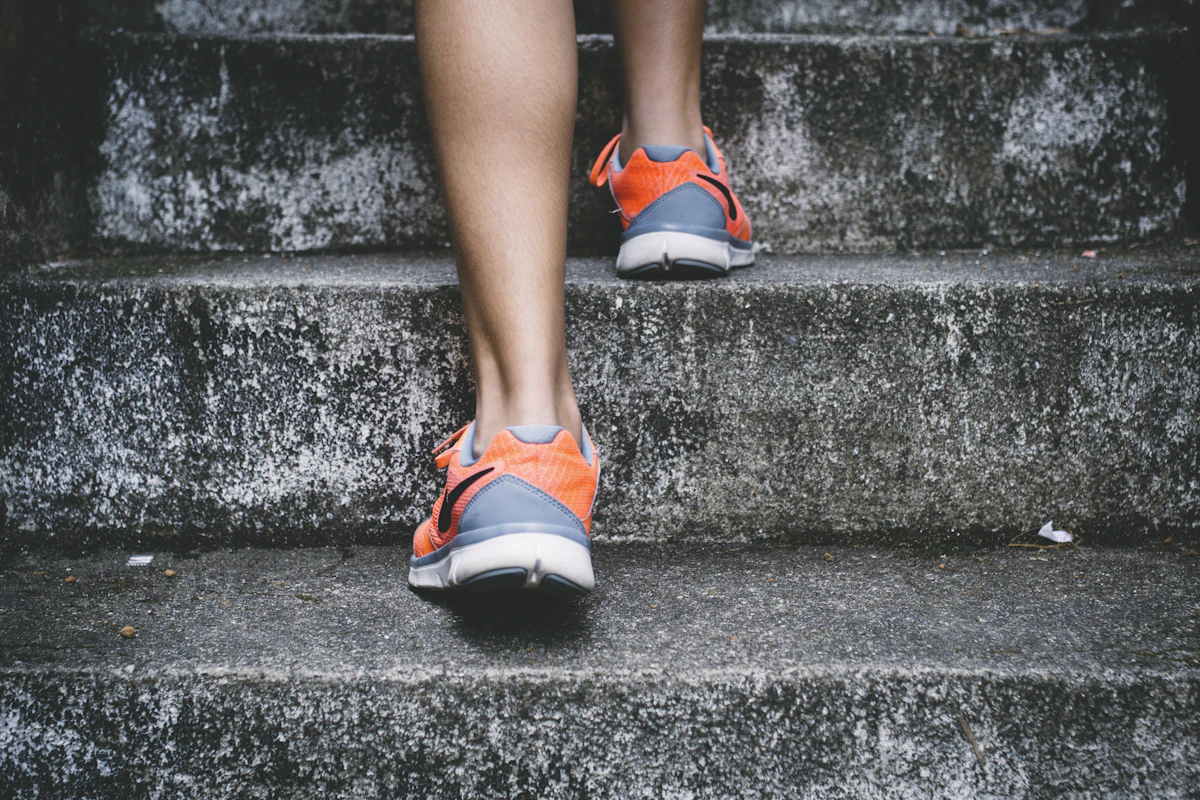
Small movements add up. Take the stairs, stand while on calls, walk after meals, do housework and garden. Researchers call this non-exercise activity, and it can account for hundreds of calories a day.
How much exercise is recommended?
General public health guidance for adults is at least 150 minutes of moderate activity a week plus two days of muscle-strengthening, and many people need more to lose weight and keep it off. Start where you are and build slowly, particularly if you have not exercised for a while or have health conditions.
Sleep, Stress and Weight
Weight loss is not just about food and exercise. Sleep and stress strongly influence appetite and choices.
Sleep
Short or poor sleep is linked with higher hunger, stronger cravings for sugary and fatty foods, lower energy and less motivation to exercise. Aim for seven to nine hours for most adults and keep a regular schedule. Our better sleep guide covers practical habits.
Stress
Chronic stress can increase emotional eating and make healthy routines harder to keep. Walking, breathing exercises, time with friends, hobbies and enough rest all help. Learn more in our guide on how to manage stress naturally.
A Sample Week of Habits
The table below shows how small habits might fit into a normal week. It is an example, not a rigid schedule.
| Day | Movement | Eating focus |
|---|---|---|
| Monday | 30-minute brisk walk | Vegetables at lunch and dinner |
| Tuesday | 20-minute home strength session | Protein at every meal |
| Wednesday | Walk after dinner | Water instead of sugary drinks |
| Thursday | 20-minute strength session | Plan weekend meals and shop |
| Friday | 30-minute walk or bike ride | Enjoy a planned treat |
| Saturday | Active outing such as a hike or swim | Cook a batch of healthy meals |
| Sunday | Gentle stretching and rest | Review the week and set small goals |
Tracking Progress Without Obsessing
What you measure shapes how you feel about the process. Choose a few useful signals and look at trends rather than single numbers.
Useful measures
- Weight, weekly or less often. Weigh yourself at the same time under similar conditions. Daily weight fluctuates by one to two kilograms due to water, salt and digestion.
- Waist measurement every two to four weeks.
- Fitness: how far you can walk, how many stairs you can climb or how much you can lift.
- Energy, mood and sleep quality.
- How clothes fit.
- Blood pressure and blood tests if your doctor monitors them.
When the scale stalls
Plateaus are normal. If your weight does not change for several weeks, review portions, snacks, liquid calories and activity before cutting food further. Our guide on breaking through a weight loss plateau explains how.
Handling Common Obstacles
"I have no time"
Choose short, repeatable actions: a ten-minute walk, a prepared lunch, a vegetable added to dinner. Ten minutes done daily beats an hour planned and skipped.
"I eat when I'm stressed or bored"
Pause and ask what you need. A walk, a drink of water, a call to a friend or a short rest may help. Keep trigger foods out of easy reach and have a satisfying planned snack available.
"My family eats differently"
Cook one meal with options at the table, such as extra vegetables for you and extra rice for others. Share your goals, ask for support and focus on your plate.
"I travel or eat out often"
Look for grilled or roasted dishes, ask for vegetables as a side and share dessert. One restaurant meal rarely decides your progress.
"I lose motivation after a few weeks"
Motivation fades for everyone. Rely on routines, remove friction, and remind yourself why you started, such as playing with your children or feeling more comfortable on the stairs.
Two Real-Life Examples
Maria: office worker, 85 kg, goal to feel healthier
Maria skipped breakfast, snacked on biscuits at work and ate a large takeaway dinner. She did not diet. Instead, she added eggs and fruit to breakfast, swapped biscuits for yogurt and nuts, walked 20 minutes after work and cooked dinner at home on four nights. After three months she had lost about 5 kilograms, her energy was steadier and her clothes fit better. She says the changes felt manageable because she made one at a time.
Daniel: 110 kg, high blood pressure
Daniel spoke with his doctor first, who agreed to a plan of gradual weight loss. He cut sugary drinks, started walking 15 minutes twice daily, added vegetables and beans to meals and tracked his blood pressure at home. After six months he had lost about 9 kilograms, and his blood pressure readings improved. His doctor reviewed his medication as he progressed.
Neither example involved a special diet or extreme effort. Both involved patient, practical changes.
Common Mistakes
- Cutting calories too low. This increases hunger, fatigue and muscle loss and often ends in rebound eating.
- Skipping meals regularly. It can lead to overeating later and poor food choices.
- Relying only on exercise. It is much easier to eat extra calories than to burn them.
- Eliminating whole food groups. Unless medically needed, this can be hard to maintain and may reduce nutrient intake.
- Trusting supplements and "detox" products. They are not a substitute for habits and some are unsafe.
- Judging yourself by the scale daily. Natural fluctuations can be discouraging. Focus on trends.
- Ignoring maintenance. The hardest part is often keeping weight off. Our guide on how to keep weight off long term helps you plan ahead.
Safety and When to See a Doctor
Speak with a doctor before beginning a weight-loss plan if you have a medical condition, take regular medication, are pregnant or breastfeeding, or have a history of disordered eating. Seek advice if you lose weight unexpectedly without trying, since that can be a sign of illness, or if you feel dizzy, weak, constantly cold, have irregular periods, hair loss or heart palpitations while dieting. If thoughts about food, weight or body image feel overwhelming, please reach out to a doctor or mental health professional.
Please note: This article is general education, not personal medical advice. Weight-loss medications and surgery are medical decisions that should be discussed with your healthcare provider.
Frequently Asked Questions
How fast should I lose weight?
For most adults, about 0.5 to 1 kilogram (1 to 2 pounds) per week is considered a safe and sustainable pace. Faster loss may be appropriate only under medical supervision.
Do I need to count calories?
Not necessarily. Many people lose weight by improving food quality, reducing liquid calories and managing portions. Counting can be a useful short-term tool for some, but it is not right for everyone, especially if it triggers anxiety around food.
Is it okay to eat carbohydrates while trying to lose weight?
Yes. Whole grains, fruit, beans and starchy vegetables provide fiber and nutrients. Choosing less processed carbohydrates and sensible portions usually works better than cutting them out entirely.
What if I exercise but do not lose weight?
Exercise improves health even when the scale does not move, and you may be gaining muscle while losing fat. Review your eating, sleep and stress as well, and give it several weeks before judging progress.
Can I lose fat from one area of the body?
No. Spot reduction is a myth. You lose fat across the body based on genetics and overall energy balance, although exercises can strengthen specific muscles.
How do I stay motivated?
Set small goals, track habits, celebrate non-scale wins, prepare for slips and find support from friends, family or a health professional. Self-compassion helps you restart faster after a setback.