Home › Healthy Lifestyle & Preventive Care
Healthy Lifestyle & Preventive CareHow to Reduce Anxiety With Daily Habits
Feeling anxious is a normal human experience. Before an exam, a job interview or a medical appointment, a little nervousness can sharpen your focus and help you prepare. But when worry becomes constant, feels out of proportion or starts to get in the way of sleep, work and relationships, it can be exhausting. Millions of people live with anxiety, and many find that steady daily habits make a real difference alongside professional care when it is needed.
This guide explains how to reduce anxiety with practical routines you can build into an ordinary day. You will learn what anxiety is, what happens in the body, and which habits help most: movement, sleep, food, breathing, thought skills, limits on news and screens, and connection. You will also find a quick-calm toolkit, a four-week plan and clear guidance on when to seek professional help. Everything here is general education, not personal medical or mental health advice.
What Anxiety Is and What It Feels Like
Anxiety is the body's response to a perceived threat or uncertainty. It looks ahead: "What if something goes wrong?" Fear, by contrast, responds to something happening right now. Both are protective, but anxiety can become a habit of the mind, scanning for danger even when none is present.
Everyday anxiety versus an anxiety disorder
Everyday anxiety is tied to a situation and fades when it passes. An anxiety disorder involves worry or fear that is persistent, hard to control and disruptive to daily life, often lasting six months or more. Only a qualified professional can diagnose a disorder. If you are unsure, the safety section below explains when to reach out.
Common signs
- Physical: racing heart, tight chest, shallow breathing, sweating, trembling, stomach discomfort, muscle tension and headaches.
- Mental: constant worry, racing thoughts, trouble concentrating, expecting the worst and feeling on edge.
- Behavioral: avoiding situations, seeking constant reassurance, procrastinating and trouble relaxing.
- Sleep-related: difficulty falling asleep, waking early or restless nights.
Why the Body Reacts
When the brain senses danger, it triggers the "fight or flight" response. Adrenaline and cortisol rise, heart rate increases, breathing quickens and muscles tense. This is useful when you must react, but harmless situations such as a crowded room or an email can trigger the same alarm. The result is a body ready to run while you are sitting at a desk.
The anxiety loop
Anxious thoughts create physical sensations, such as a pounding heart. Noticing these sensations makes you more worried, which increases the sensations. Avoiding what scares you brings short-term relief, which teaches the brain that avoidance is necessary, so the fear grows over time. Daily habits work by calming the body, changing how you relate to thoughts and gently re-engaging with life.
Move Your Body
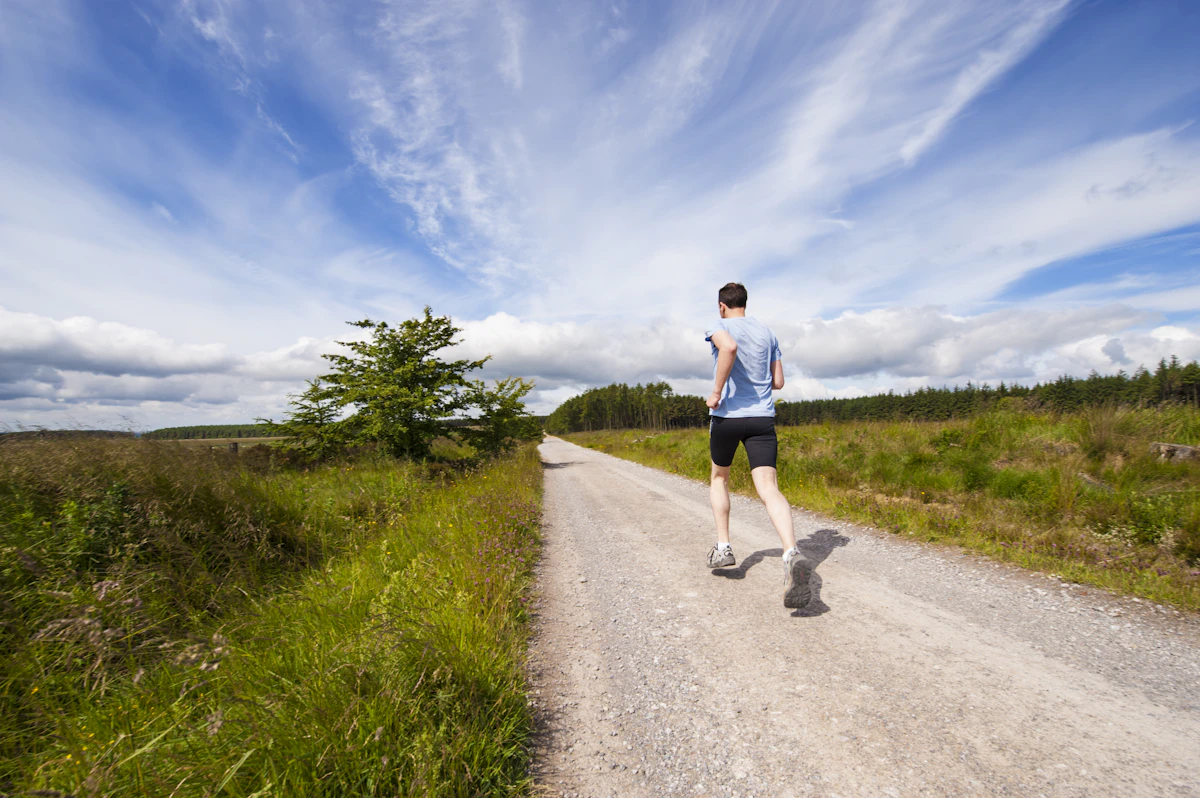
Regular exercise is among the best-supported natural approaches to knowing how to reduce anxiety. It burns off stress hormones, improves sleep, builds confidence and gives the mind a rest from worry. Research suggests even a single session can lower anxiety for a few hours, and regular activity helps over the long term.
What to try
- Brisk walking. Twenty to thirty minutes most days is a gentle start. Our walking plan shows how to build it up.
- Strength training. Lifting weights twice a week builds a sense of capability. See strength training basics.
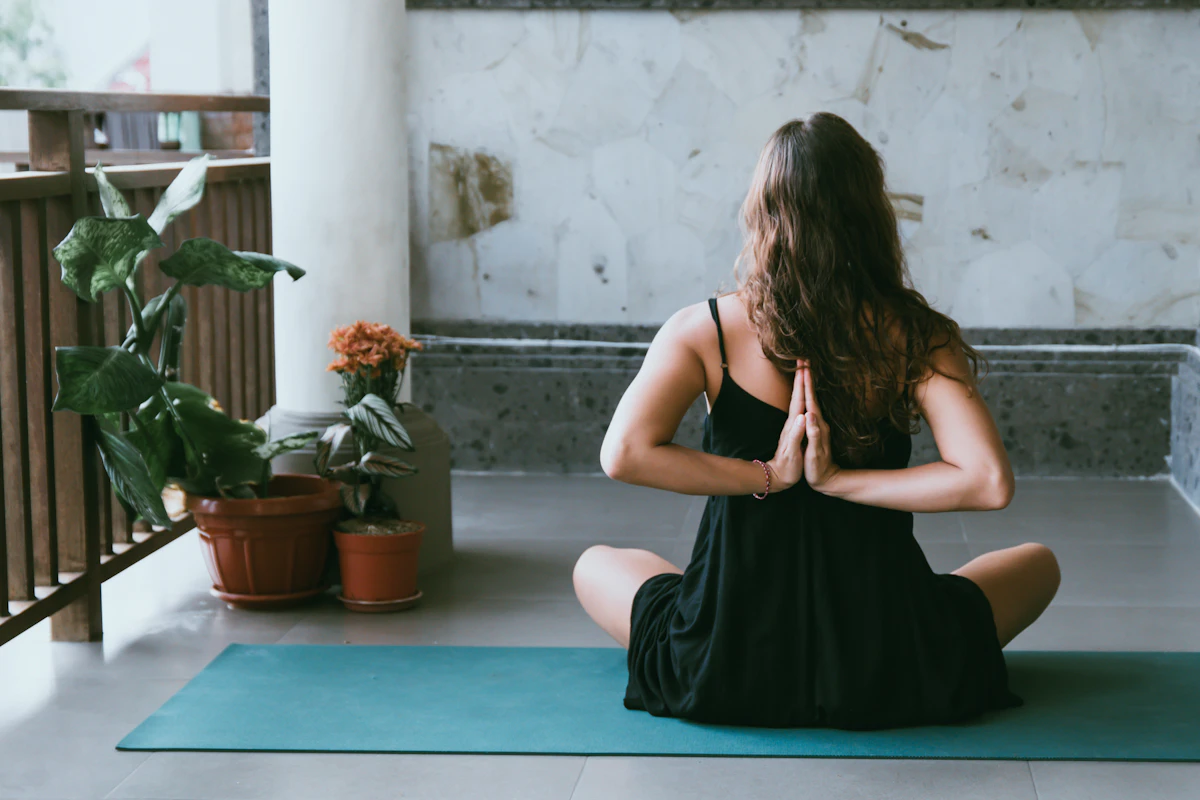
- Yoga and stretching. Slow movement combined with breathing relaxes muscles and calms the mind. Try our yoga for beginners guide.
- Cardio you enjoy. Swimming, cycling and dancing all count. See the best cardio workouts.
A note about exercise sensations
A pounding heart and fast breathing during exercise can feel similar to anxiety. Some people find that gradually getting used to those sensations in a safe setting reduces fear of them. Start gently and build slowly.
Protect Your Sleep
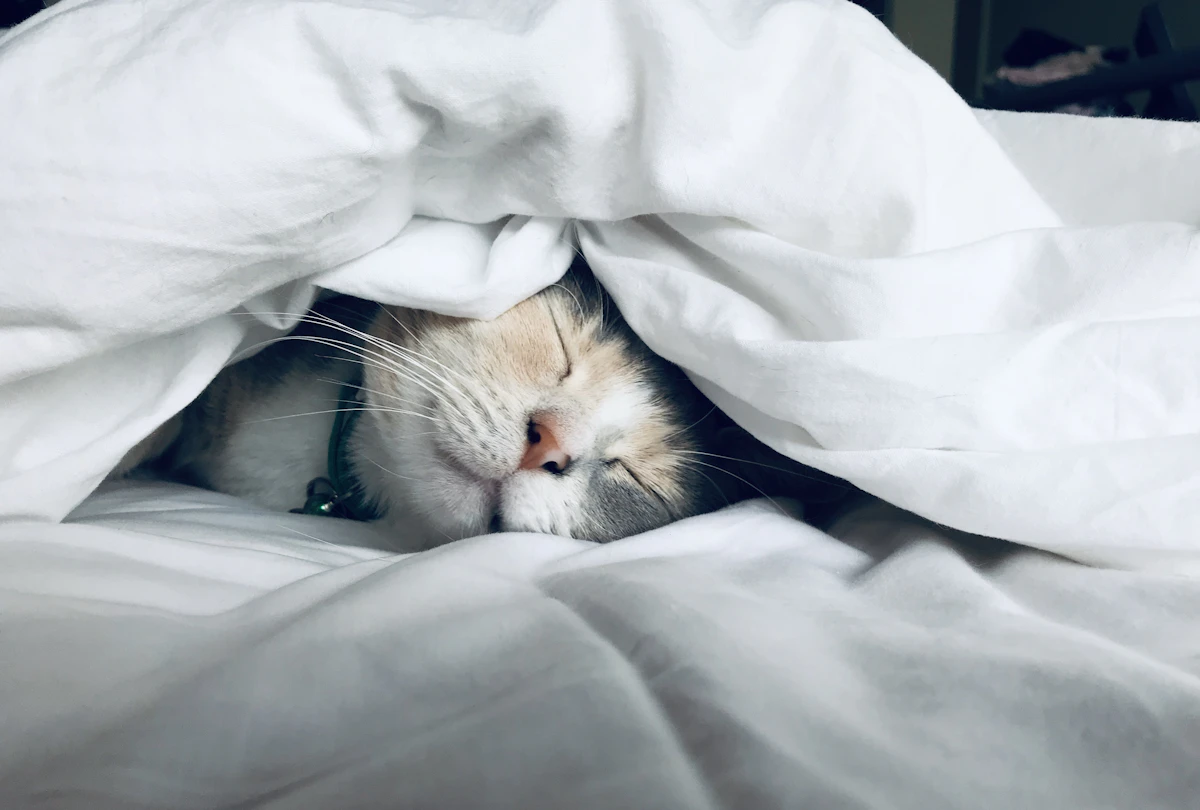
Anxiety and poor sleep strengthen each other. A tired brain reacts more strongly to stress, and an anxious brain finds it harder to switch off at night. Prioritizing sleep is one of the most useful steps.
- Keep regular bed and wake times.
- Stop screens 30 to 60 minutes before bed.
- Keep your room cool, dark and quiet.
- Use a short wind-down routine, such as stretching and slow breathing.
- If your mind races, write down worries and tomorrow's tasks before bed.
Our better sleep habits guide explains how to sleep better with a full routine.
Food, Caffeine and Alcohol
What you eat and drink influences how steady you feel.
Caffeine
Caffeine can trigger a racing heart, jitters and nervousness, which mimic anxiety. If you are sensitive, reduce gradually to avoid withdrawal headaches, and try switching to half-caffeinated or decaffeinated drinks. Many adults handle up to about 400 milligrams a day, but anxious people often do better with less.
Alcohol
Alcohol can seem to take the edge off, but as it wears off it can increase anxiety, sometimes called "hangxiety," and disturb sleep. Relying on alcohol to cope can create dependence. Keep intake low, and take alcohol-free days.
Eat regularly
Skipped meals cause blood sugar dips that can feel like anxiety: shakiness, irritability and lightheadedness. Eat balanced meals with protein, fiber and healthy fats, as shown in our balanced plate guide. Drink enough water, since even mild dehydration can affect mood and concentration. See our hydration guide.
Gut and mood
Research on the gut-brain connection is growing. Eating plenty of fruit, vegetables, legumes, whole grains and fermented foods such as yoghurt supports a healthy gut and may support mood, though evidence is still developing.
Breathing and Body Calm
Anxious breathing is often fast and shallow, which can cause dizziness and tingling. Slowing the breath tells the nervous system that it is safe.
Slow breathing
Breathe in gently through your nose for four counts, then out through pursed lips for six counts. Repeat for two to five minutes. Longer exhales help activate the body's relaxation response. More methods appear in our guide to breathing exercises for calm and focus.
Progressive muscle relaxation
Tense a muscle group for five seconds, then release for ten, moving from feet to face. This teaches your body the difference between tension and relaxation.
Grounding with the senses
When your mind spirals, bring it back to the present using the "5-4-3-2-1" method: name five things you see, four you can touch, three you hear, two you smell and one you taste. This interrupts the loop of worry.
Mindfulness
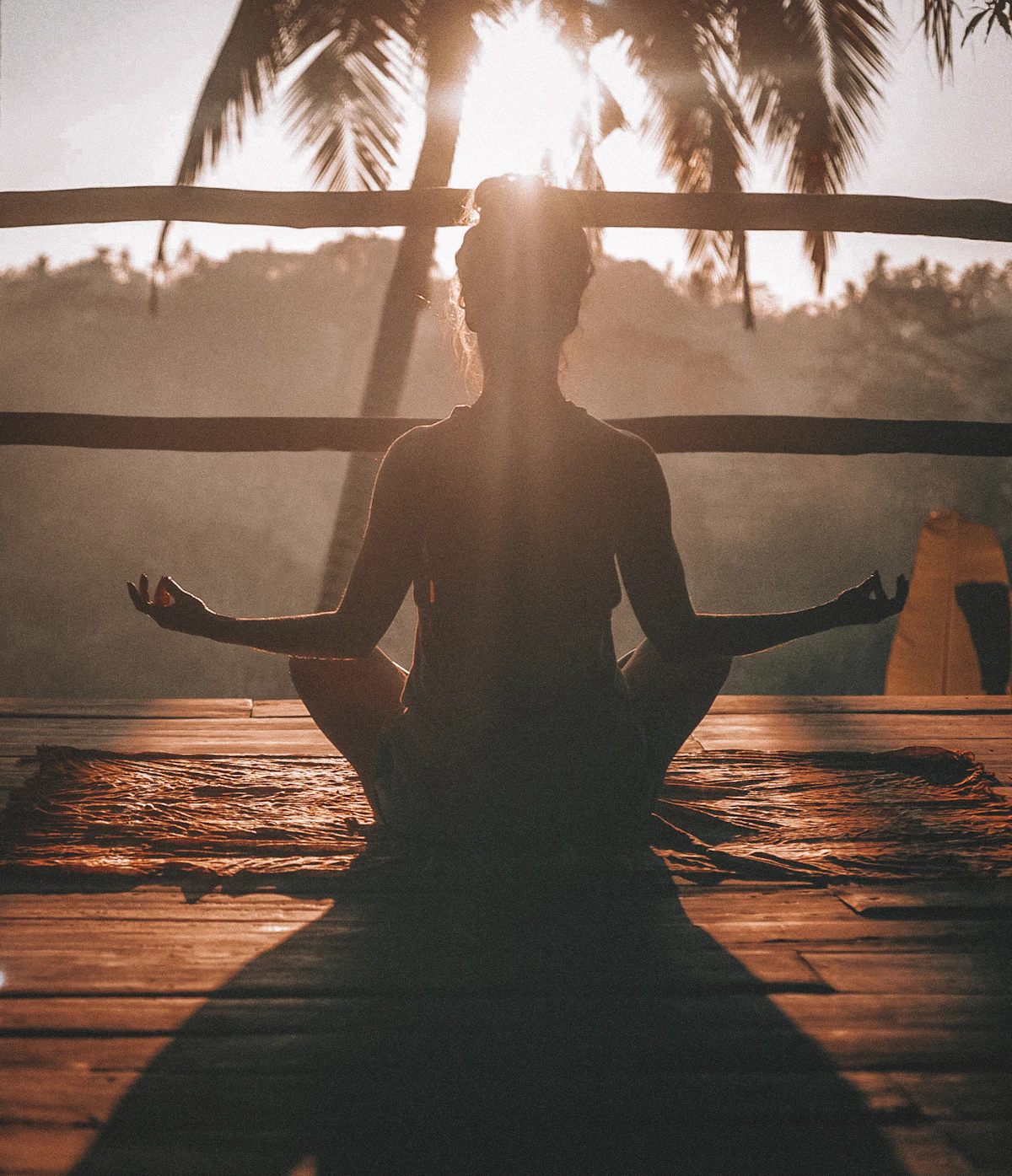
Regular practice trains you to notice anxious thoughts without being swept away by them. Five minutes a day is a good beginning. See our mindfulness meditation guide.
Working With Anxious Thoughts
Anxious thinking tends to follow patterns. Spotting them takes away some of their power. These techniques come from cognitive behavioral therapy, an evidence-based approach, though learning them with a therapist is more effective for strong anxiety.
Common thinking traps
- Catastrophizing. Jumping to the worst possible outcome.
- Mind reading. Assuming others think badly of you.
- All-or-nothing thinking. "If it is not perfect, it is a failure."
- Fortune telling. Predicting a bad future as though it were certain.
- Overgeneralizing. "This always happens to me."
Questions to ask yourself
- What exactly am I worried about?
- What is the evidence for and against this thought?
- What is the most likely outcome, not the worst?
- If the worst happened, how would I cope?
- What would I say to a friend with this worry?
Accept uncertainty
Much anxiety comes from wanting certainty that does not exist. Practice sitting with "I do not know yet" instead of demanding answers. Small acts of tolerating uncertainty, such as not checking a message repeatedly, build resilience.
Face fears gradually
Avoidance feeds anxiety. Facing situations in small steps, from easiest to hardest, teaches the brain that you can cope. If you find a fear very hard to approach alone, a therapist can guide a structured plan.
Worry Time and Planning
Schedule worry time
Set aside 15 minutes at the same time each day, not close to bedtime, to think about worries. When a worry pops up earlier, jot it down and postpone it. At worry time, review the list and ask: Is there something I can do? If yes, choose one small step and put it on your calendar. If not, practice letting it go. Many people find the list shrinks and many worries no longer matter by the time they review them.
Make a simple daily plan
A predictable routine reduces uncertainty. Choose three priorities, add short breaks, and include time for movement and meals. Our guide to healthy daily habits shows how to build a routine that feels doable.
Start the day calmly
Rushing sets the nervous system on edge. Waking a little earlier, avoiding your phone for the first ten minutes and having breakfast gives the day a steadier start. See our healthy morning routine.
Limit News, Scrolling and Overload
Constant news, social media and notifications can keep the brain in a state of alert. Doom-scrolling often leaves people more anxious without making them any safer.
- Check news once or twice a day at set times, not constantly.
- Turn off non-essential notifications.
- Unfollow accounts that leave you feeling worse.
- Keep your phone out of the bedroom.
- Take regular screen-free breaks outdoors.
Our digital detox guide offers a gentle step-by-step approach.
Connection and Routine
Talking with trusted people lowers anxiety and reminds you that you are not alone. Share how you feel with a friend or family member, join a community or interest group, and spend time with people who make you feel safe. Time in nature, creative hobbies, music and play also help calm the nervous system. Volunteering or helping someone else can shift attention away from worry and add meaning.
A Quick-Calm Toolkit
| Situation | Try this | Time needed |
|---|---|---|
| Racing heart or tight chest | Slow breathing: in for 4, out for 6 | 3 minutes |
| Spiraling thoughts | 5-4-3-2-1 grounding | 3 minutes |
| Before a stressful event | Walk, stretch and review one realistic goal | 10 minutes |
| Overwhelmed by tasks | Write a list and choose one small step | 5 minutes |
| Trouble sleeping with worry | Write worries down, then slow breathing | 10 minutes |
| Feeling alone with it | Message or call someone you trust | 10 minutes |
A Four-Week Plan
Change one or two things at a time. Keep what helps.
| Week | Focus | Daily action |
|---|---|---|
| 1 | Body basics | 20-minute walk, fixed wake time, water with meals |
| 2 | Calm skills | Five minutes of slow breathing and one grounding practice |
| 3 | Thoughts | Daily worry time and one thought challenge in writing |
| 4 | Life balance | Limit news, plan one enjoyable activity and one social contact |
A real-life example
Mehwish, 29, felt constantly on edge before work and often woke at 4 a.m. with racing thoughts. She cut her third cup of coffee, started a 20-minute lunchtime walk, wrote down worries each evening and practiced slow breathing before bed. After six weeks, she said the worry had not vanished, but it no longer ran her day, and she was sleeping through most nights. She also chose to see a counselor for extra support, which she said helped most with her thinking patterns.
When to Get Professional Help
Daily habits help most people, but they are not a replacement for professional care. Consider speaking with a doctor or mental health professional if anxiety lasts for weeks or months, if it interferes with work, school, relationships or sleep, if you have panic attacks, if you avoid important activities because of fear, or if you use alcohol or other substances to cope.
Seek urgent medical help for chest pain, fainting or severe shortness of breath, since these can have physical causes. If you ever have thoughts of harming yourself, contact local emergency services or a crisis line in your area right away, or tell someone you trust and stay with them. Effective treatments exist, including talking therapies such as cognitive behavioral therapy and, when appropriate, medication. Starting treatment is a sign of strength, and many people recover or manage anxiety well.
Please note: This article is general education, not personal medical or mental health advice, and it cannot diagnose any condition. Consult a doctor or qualified mental health professional about your own situation, and do not stop or change any prescribed treatment without their guidance.
Frequently Asked Questions
What is the fastest way to calm anxiety?
For a quick answer on how to reduce anxiety in the moment, slow breathing with a longer exhale, grounding with your senses, and a short walk usually help within minutes. These calm the body, which then helps the mind settle.
Can anxiety be reduced without medication?
Many people reduce mild to moderate anxiety with exercise, sleep, breathing, mindfulness and therapy skills. Others benefit from medication or a combination. A doctor can help you decide what is right for you.
Does exercise really help anxiety?
Yes. Studies show regular exercise lowers anxiety symptoms for many people, both immediately and over the long term.
Is anxiety a sign of weakness?
No. Anxiety is a common human response involving the brain and body. It is not a character flaw, and asking for help is a sensible and brave step.
Can diet affect anxiety?
Yes, indirectly. Caffeine, alcohol, skipped meals and poor sleep can worsen symptoms, while regular balanced meals and good hydration support steadier mood.
How long until these habits help?
Breathing and grounding can help within minutes. Exercise, sleep changes and thought skills usually show clearer benefits over two to eight weeks of regular practice.