Home › Healthy Lifestyle & Preventive Care
Healthy Lifestyle & Preventive CareUnderstanding Vitamins and Minerals

Vitamins and minerals are the small nutrients that make everything else in your body work. They do not provide energy the way carbohydrate, fat and protein do, but without them your body cannot turn food into fuel, build bones, make blood, fight infection or keep nerves and muscles functioning. Most people can get what they need from a varied diet, which is why food, not pills, is the best place to start.
This guide explains the difference between vitamins and minerals, what the most important ones do, which foods supply them, how much adults generally need, who may be at risk of falling short, and when supplements make sense. You will find reference tables, practical ways to eat a wider range of nutrients and answers to common questions. The figures given are typical adult recommendations used in the United States and can vary by country, age, sex and health, so treat them as general education rather than personal advice.
Vitamins and Minerals: The Basics
Together, vitamins and minerals are called micronutrients because the body needs them in small amounts, measured in milligrams or even micrograms, rather than the grams required of macronutrients.
What vitamins are
Vitamins are organic compounds made by plants and animals. Humans need thirteen of them: vitamins A, C, D, E and K, and the eight B vitamins (thiamin, riboflavin, niacin, pantothenic acid, biotin, B6, folate and B12). Your body cannot make most of them in sufficient amounts, so they must come from food, with vitamin D also made when skin is exposed to sunlight.
What minerals are
Minerals are inorganic elements from soil and water that plants absorb and animals eat. Major minerals such as calcium, magnesium, potassium and sodium are needed in larger amounts. Trace minerals such as iron, zinc, iodine and selenium are needed in smaller amounts but are just as important.
Why variety matters
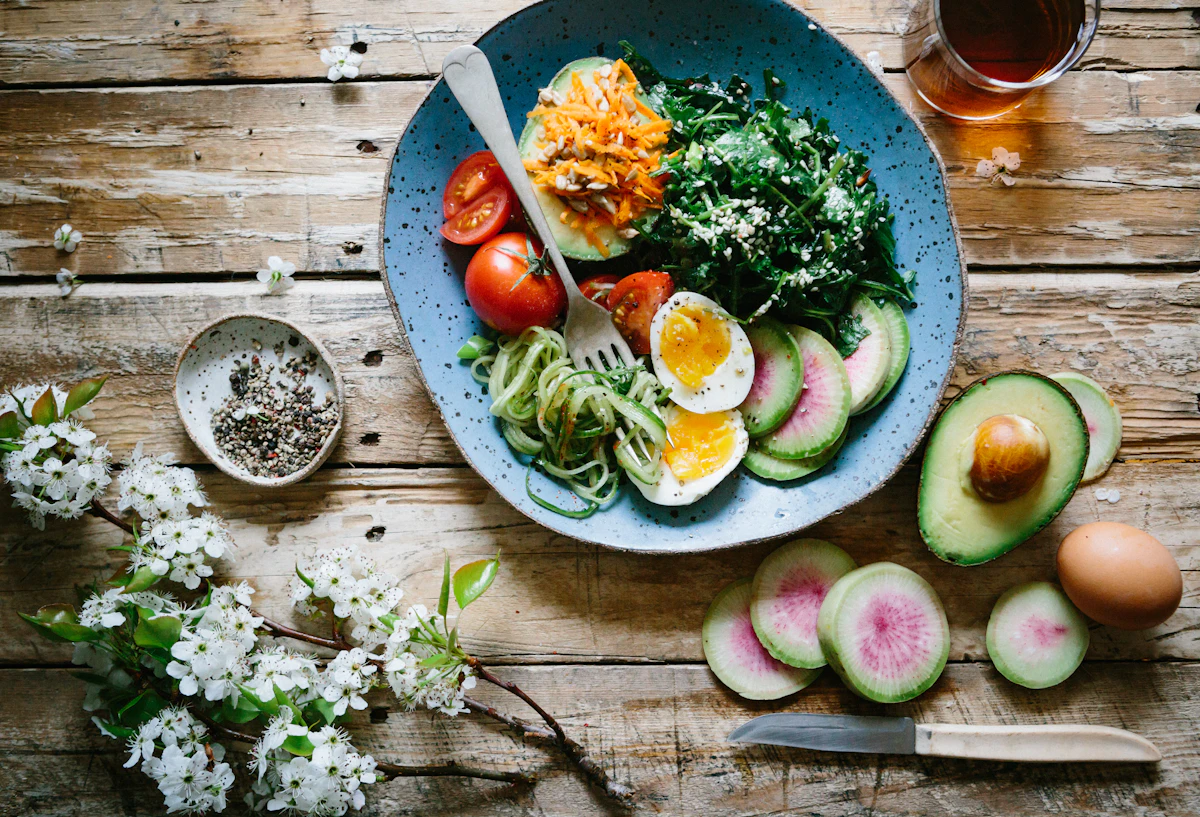
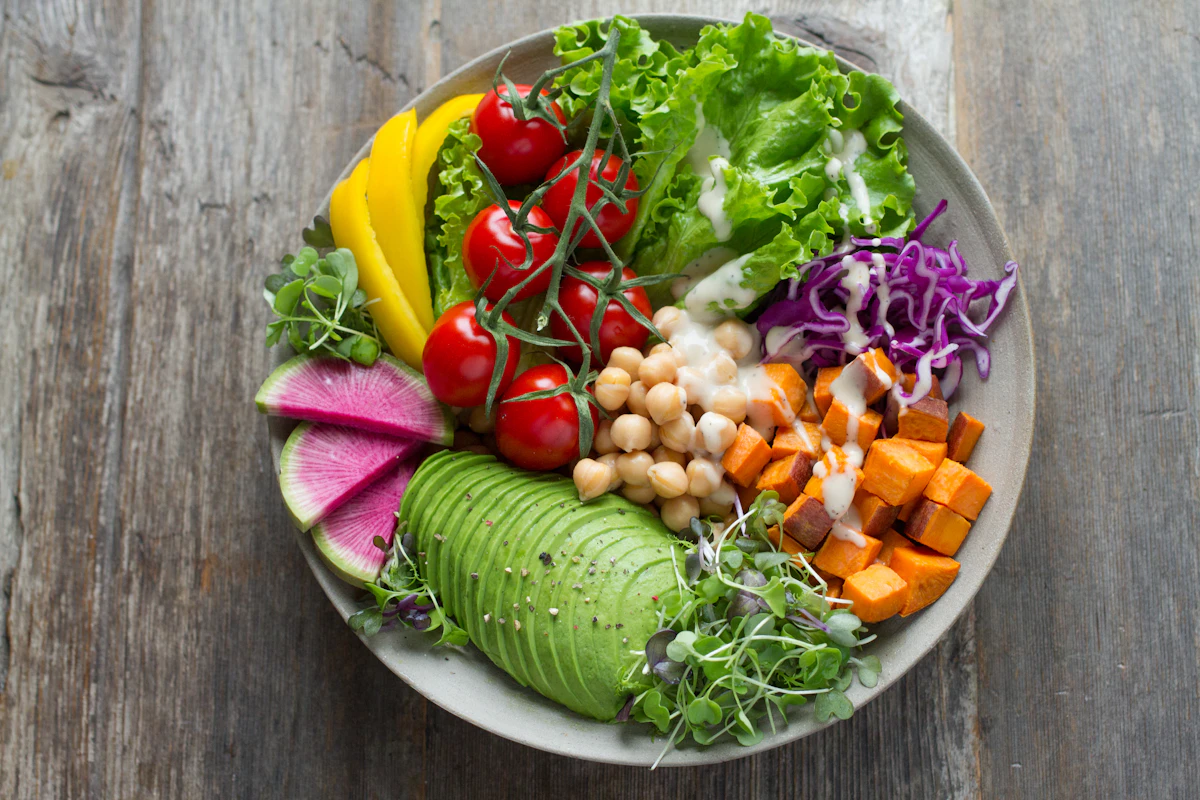
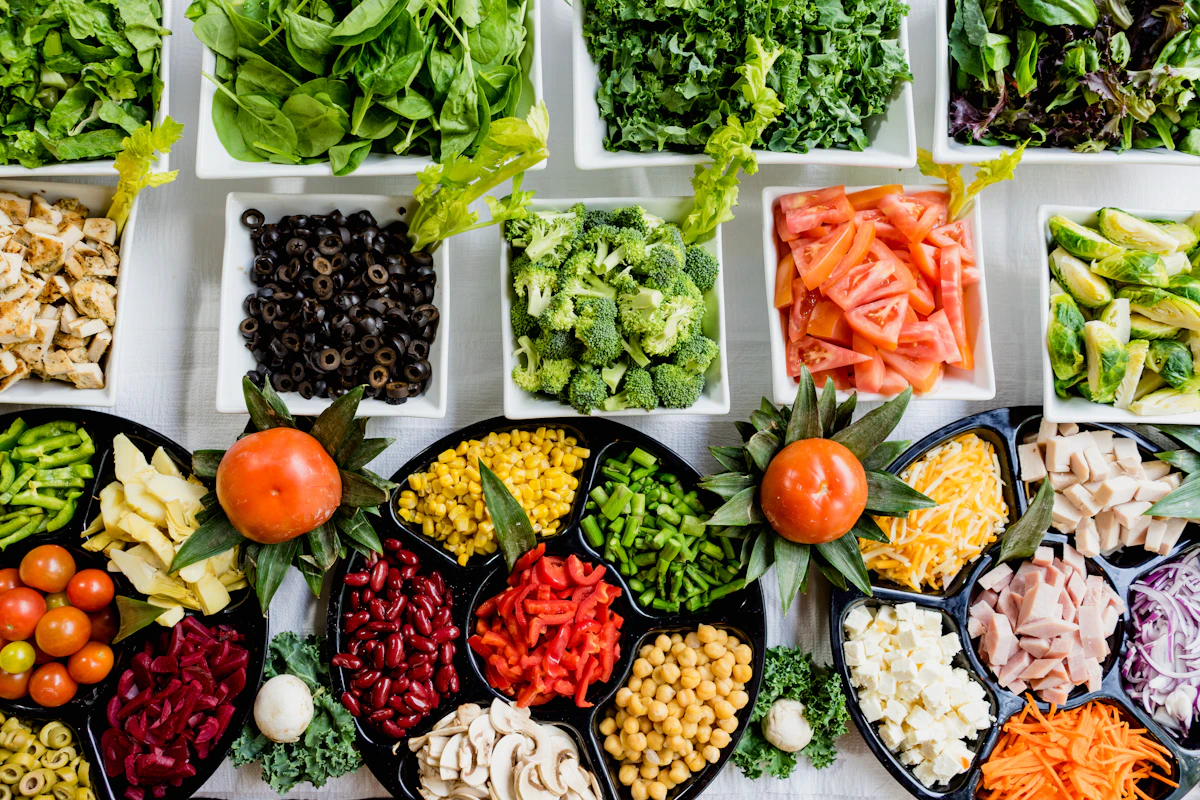
No single food contains everything. Different colors and types of food bring different nutrients, which is why every reliable dietary guideline recommends variety. Our balanced plate guide shows a simple way to achieve it at every meal.
Fat-Soluble and Water-Soluble Vitamins
Vitamins fall into two groups, and the difference affects how you should eat and supplement them.
Water-soluble vitamins
Vitamin C and the B vitamins dissolve in water. Your body stores little of them, and excess amounts are mostly lost in urine, so you need a regular supply. They can also be reduced by long cooking in water, which is why steaming, microwaving or using the cooking liquid in soups and sauces helps to preserve them.
Fat-soluble vitamins
Vitamins A, D, E and K dissolve in fat. They are absorbed best with some dietary fat and can be stored in body tissues. Storage means you do not need them every day, but it also means very high supplement doses can build up and cause harm over time.
Key Vitamins, What They Do and Where to Find Them
The table below summarizes the roles and common food sources of the vitamins people ask about most.
| Vitamin | Main roles | Good food sources |
|---|---|---|
| A | Vision, immune function, skin | Carrots, sweet potato, spinach, eggs, liver |
| B12 | Nerves, red blood cells, DNA | Fish, meat, eggs, dairy, fortified foods |
| Folate (B9) | Cell growth, early pregnancy | Leafy greens, lentils, beans, fortified grains |
| C | Immune support, collagen, iron absorption | Citrus, peppers, kiwi, strawberries, broccoli |
| D | Bones, muscles, immune function | Sunlight, oily fish, eggs, fortified milk |
| E | Antioxidant protection of cells | Nuts, seeds, vegetable oils, avocado |
| K | Blood clotting, bone health | Leafy greens, broccoli, soybeans |
The B vitamins as a team
B vitamins help your cells release energy from food. Whole grains, legumes, eggs, dairy, meat, fish and leafy vegetables supply most of them. Vitamin B12 is found naturally only in animal foods, so people who eat no animal products need fortified foods or a supplement.
Vitamin D and sunlight
Vitamin D is unusual because your skin makes it when exposed to sunlight. How much you make depends on season, latitude, skin tone, time outdoors and sunscreen. Many people in northern countries, those who cover most of their skin, older adults and people with darker skin may have lower levels in winter. A blood test and advice from a doctor are the best way to check your status.
Key Minerals, What They Do and Where to Find Them
| Mineral | Main roles | Good food sources |
|---|---|---|
| Calcium | Bones, teeth, muscle and nerve function | Milk, yogurt, cheese, fortified plant drinks, tofu, canned fish with bones |
| Iron | Carrying oxygen in blood | Red meat, poultry, beans, lentils, spinach, fortified cereals |
| Magnesium | Muscles, nerves, energy, bone health | Nuts, seeds, whole grains, legumes, leafy greens |
| Potassium | Fluid balance, blood pressure, muscles | Bananas, potatoes, beans, yogurt, oranges, spinach |
| Zinc | Immune function, wound healing | Meat, shellfish, legumes, seeds, nuts |
| Iodine | Thyroid hormone production | Iodized salt, fish, dairy, seaweed in moderation |
| Selenium | Antioxidant enzymes, thyroid function | Brazil nuts, fish, eggs, whole grains |
Sodium: a mineral most people eat too much of
Sodium is essential, but most people consume more than they need, mainly from processed and restaurant foods. Health authorities generally advise limiting salt intake, often to under about 5 grams of salt, or 2,000 milligrams of sodium, per day. Cooking from fresh ingredients and checking labels are the easiest ways to reduce it.
Iron and absorption
Iron from animal foods is absorbed more easily than iron from plants. Eating plant sources with vitamin C, such as beans with tomatoes or spinach with lemon, improves absorption, while tea and coffee with a meal can reduce it. Do not take iron supplements unless a doctor has advised you to, because too much is harmful.
How Much Do You Need?
Recommended intakes depend on age, sex, pregnancy and other factors. The figures below are typical United States recommended daily allowances or adequate intakes for healthy adults and are shown only as a guide. Other countries publish slightly different values, and your doctor can tell you what applies to you.
| Nutrient | Adult women (19 to 50) | Adult men (19 to 50) |
|---|---|---|
| Vitamin C | 75 mg | 90 mg |
| Vitamin D | 15 mcg (600 IU) | 15 mcg (600 IU) |
| Vitamin B12 | 2.4 mcg | 2.4 mcg |
| Folate | 400 mcg DFE | 400 mcg DFE |
| Calcium | 1,000 mg | 1,000 mg |
| Iron | 18 mg | 8 mg |
| Magnesium | 310 to 320 mg | 400 to 420 mg |
| Zinc | 8 mg | 11 mg |
Needs often rise during pregnancy and breastfeeding, and some change after age 50 or 70. For example, women over 50 and men over 70 usually need more calcium, and older adults often need more vitamin D and B12.
How to Get More Vitamins and Minerals From Food
You do not need to track every nutrient. A few habits cover most of what you need.
- Eat a variety of colors. Aim for several different vegetables and fruits through the week, including dark leafy greens, orange vegetables, red tomatoes and peppers, and berries.
- Choose whole grains. They keep more B vitamins, magnesium, zinc and fiber than refined versions.
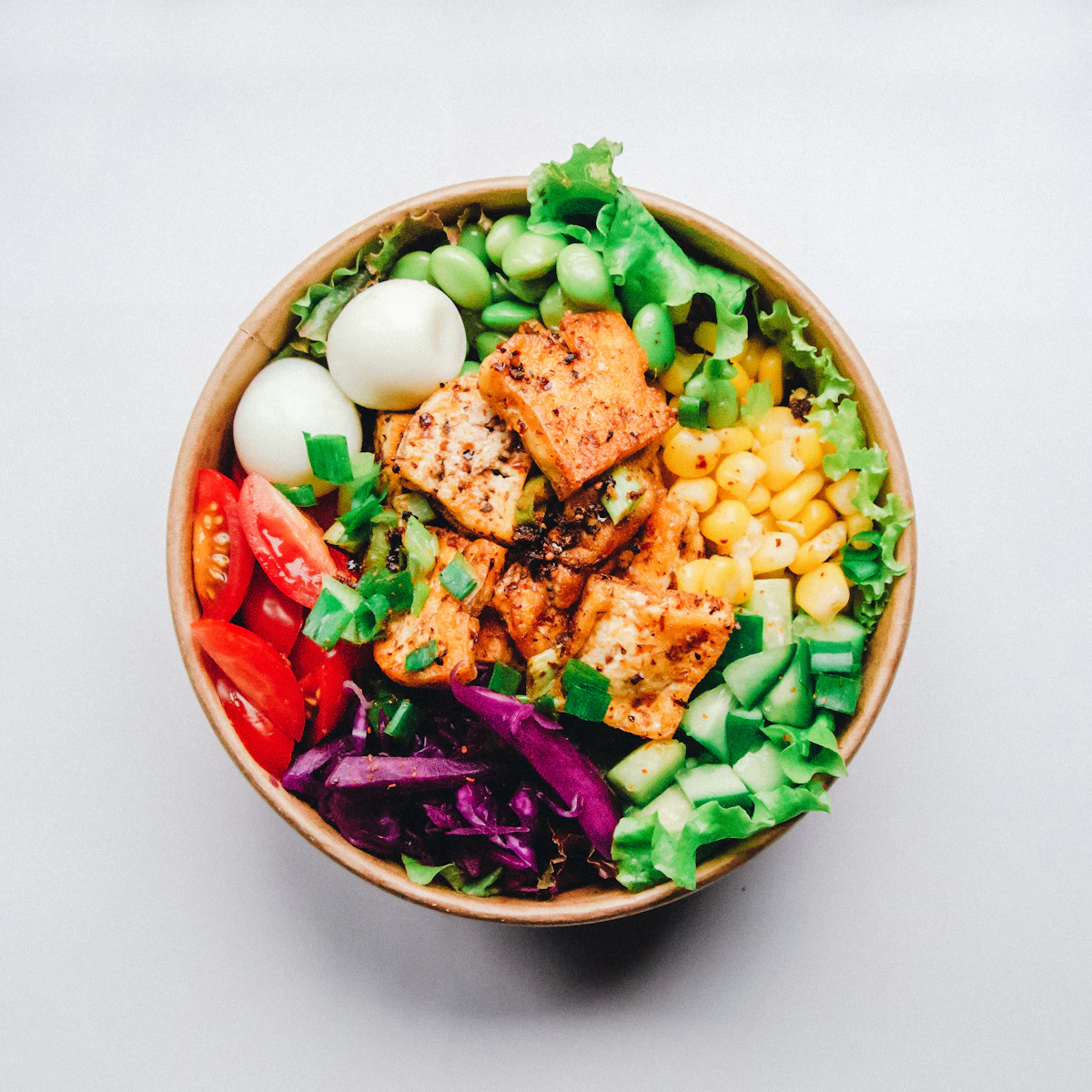
- Include protein foods in every meal. Fish, eggs, poultry, legumes, tofu, nuts and dairy supply iron, zinc, B12 and more. See our protein guide for portions.
- Eat nuts and seeds regularly. A small handful supplies magnesium, vitamin E, zinc and selenium.
- Cook gently. Steam, roast or stir-fry vegetables rather than boiling them for a long time, and use leftover cooking water in soups.
- Use frozen produce. Frozen fruit and vegetables are picked at peak ripeness and retain most of their nutrients.
- Pair foods wisely. Eat a vitamin C source with iron-rich plants, and include a little healthy fat with vegetables to help absorb vitamins A, E and K.
If you are just getting started with nutrition, our healthy eating guide for beginners explains the basics step by step.
Who May Be at Risk of Low Intake
Most healthy adults who eat a varied diet get enough of most vitamins and minerals. Some groups have a higher chance of falling short.
- People eating vegan or very restricted diets: may need B12, and may need to watch iron, zinc, iodine, calcium and omega-3 fats.
- Women of reproductive age: iron needs are higher because of menstrual blood loss, and folate is important before and during early pregnancy.
- Pregnant and breastfeeding women: needs for several nutrients increase, and doctors often recommend specific supplements.
- Older adults: smaller appetite, reduced stomach acid and less sun exposure can lower B12, vitamin D and calcium.
- People with digestive conditions or who have had weight-loss surgery: absorption may be reduced.
- People who drink heavily or who eat mostly processed foods: often have lower intakes of many micronutrients.
- People with limited sun exposure: may have low vitamin D.
Supplements: When They Help and When They Do Not
Supplements can be valuable when a real gap exists, but they cannot replace a good diet. Food provides fiber, protein, healthy fats and thousands of beneficial compounds that tablets cannot copy.
Situations where supplements are commonly advised
- Folic acid before and during early pregnancy.
- Vitamin B12 for people who eat no animal products, and often for older adults.
- Vitamin D for people with low levels or limited sun exposure, according to local health guidance.
- Iron for people with diagnosed iron deficiency.
- Calcium or other nutrients when diet cannot supply enough, and a doctor agrees.
How to choose wisely
- Talk to a doctor or pharmacist first, particularly if you take medication, since some supplements interact with drugs.
- Choose products that are third-party tested, and avoid those promising miracle results.
- Stay within recommended doses. More is not better.
- Be cautious with high-dose "megadose" products.
- Remember that a daily multivitamin may help if your diet is limited, but it is not an alternative to eating vegetables.
Can You Get Too Much?
It is very hard to get too many vitamins and minerals from food alone. Supplements and fortified products are where problems occur. Too much vitamin A during pregnancy can harm the baby. Very high vitamin D can raise blood calcium and damage the kidneys. Excess iron is toxic, particularly for children, and can be dangerous. Large doses of vitamin B6 over a long period can cause nerve damage, and too much zinc can reduce copper levels.
Health authorities publish "tolerable upper intake levels" for many nutrients. Check the label of every supplement, and add up what you take from all sources. If you drink a lot of water and eat a healthy diet, as described in our hydration guide, you also support nutrient transport and kidney function.
Two Real-Life Examples
Aisha: vegetarian with low energy
Aisha felt tired for months. Her diet was mostly pasta, cheese and snacks, with few vegetables. A blood test showed low iron and borderline B12. With her doctor's advice, she added lentils, spinach with lemon, eggs, fortified cereal and nuts, and took a prescribed iron supplement for a limited period. Her energy improved over several weeks, and a follow-up test confirmed better levels.
Peter: retiree who rarely goes outside
Peter, 72, spent most of the winter indoors and ate small meals. His doctor checked his vitamin D and B12 and recommended a vitamin D supplement and a B12-fortified breakfast. Peter also began a daily short walk, adding sunlight, fresh air and physical activity. The combination helped with his strength and mood.
Both examples show that the best approach is to check, adjust food first, and supplement only where there is a reason.
Common Myths
- "Everyone needs a multivitamin." Many healthy adults who eat varied diets do not.
- "Natural supplements are always safe." Natural does not mean harmless. Dose and interactions matter.
- "Vitamin C prevents colds." Regular intake supports immune function, but for most people it does not prevent colds. It may slightly shorten some.
- "Fresh is always better than frozen." Frozen produce is often just as nutritious, and sometimes more so than fresh produce that has been stored for days.
- "If a little is good, more is better." For many vitamins and minerals, high doses are harmful.
Safety and When to See a Doctor
Speak with a doctor if you have symptoms that could suggest a deficiency, such as persistent fatigue, pale skin, numbness or tingling, frequent infections, hair loss, slow-healing wounds, muscle cramps, mouth sores or changes in vision. These symptoms have many causes, so it is not safe to guess. A simple blood test can often give answers. Regular checkups, as described in our guide to preventive health checkups, are a good place to raise concerns.
Please note: This article is general education, not personal medical or nutrition advice. Always speak with a doctor, pharmacist or registered dietitian before starting a supplement, especially if you are pregnant, breastfeeding, taking medication or managing a health condition.
Frequently Asked Questions
Can I get all my vitamins and minerals from food?
Most healthy adults can if they eat a varied, balanced diet. Some people, such as vegans, pregnant women and older adults, may need specific supplements.
What are signs of a vitamin deficiency?
Symptoms such as tiredness, pale skin, tingling, mouth sores or slow healing can be linked to low nutrients, but they are not specific. See a doctor for testing rather than self-diagnosing.
Is it better to take vitamins in the morning or at night?
It depends on the supplement. Fat-soluble vitamins are absorbed best with a meal that contains some fat. Iron is often better absorbed on an empty stomach but may upset it. Ask a pharmacist for advice.
Do I need vitamin D if I get sunshine?
Not necessarily, but sun exposure varies with season, skin tone, clothing and sunscreen. A doctor can check your level if you are unsure.
Are gummy vitamins as good as tablets?
They can contain similar nutrients but often add sugar and may contain less of certain minerals. Check the label and consider whether you need them at all.
Which foods are the richest in vitamins and minerals?
Leafy greens, colorful vegetables, berries, legumes, nuts, seeds, whole grains, eggs, fish and dairy or fortified alternatives are all nutrient-dense. A variety across the week works better than any single so-called superfood.